
Discover the Differences: Charter VS Owning a Private Jet
Uncover the key differences between chartering and owning a private jet. Understand costs and benefits to make an informed choice for your travel needs.

Private aviation covers everything from single-trip charters to full aircraft ownership. Deciding whether to charter or buy comes down to three core factors: cost, control and who handles day‑to‑day operations. This guide lays out the practical differences between private jet charter and ownership with UK‑focused examples, indicative costs in GBP, operational comparisons and alternatives such as fractional ownership and jet cards. You’ll find clear thresholds for when chartering is usually cheaper, what responsibilities owners accept, and how hybrid models serve frequent but not full‑time flyers. Sections are organised for quick reference—definitions first, then mechanics and benefits—so you can identify the best model for your travel profile and mission needs. Keywords like private jet charter vs ownership costs and private jet ownership costs UK are included to help with decision making.
Charter gives you on‑demand access to an aircraft and crew, billed per flight or hour and managed by an operator. Ownership means you purchase the aircraft and carry the capital cost plus ongoing operational responsibilities. Charter moves capex and administrative work to the operator, offering pay‑as‑you‑fly flexibility and access to many aircraft types; ownership delivers guaranteed availability, bespoke interiors and complete control but with higher fixed and recurring costs. The trade‑offs are straightforward: charter reduces fixed commitments and management effort; ownership increases control and customisation at the expense of ongoing expense and oversight. Use flight hours, mission profile and willingness to manage an aircraft as your decision levers.
Below are the headline differences, framed for practical decision making.
In short: if you value flexibility and minimal administration, charter usually wins. If you need constant access and a bespoke aircraft, ownership may be the better fit. The next sections show how charter works in practice and who typically opts to own.
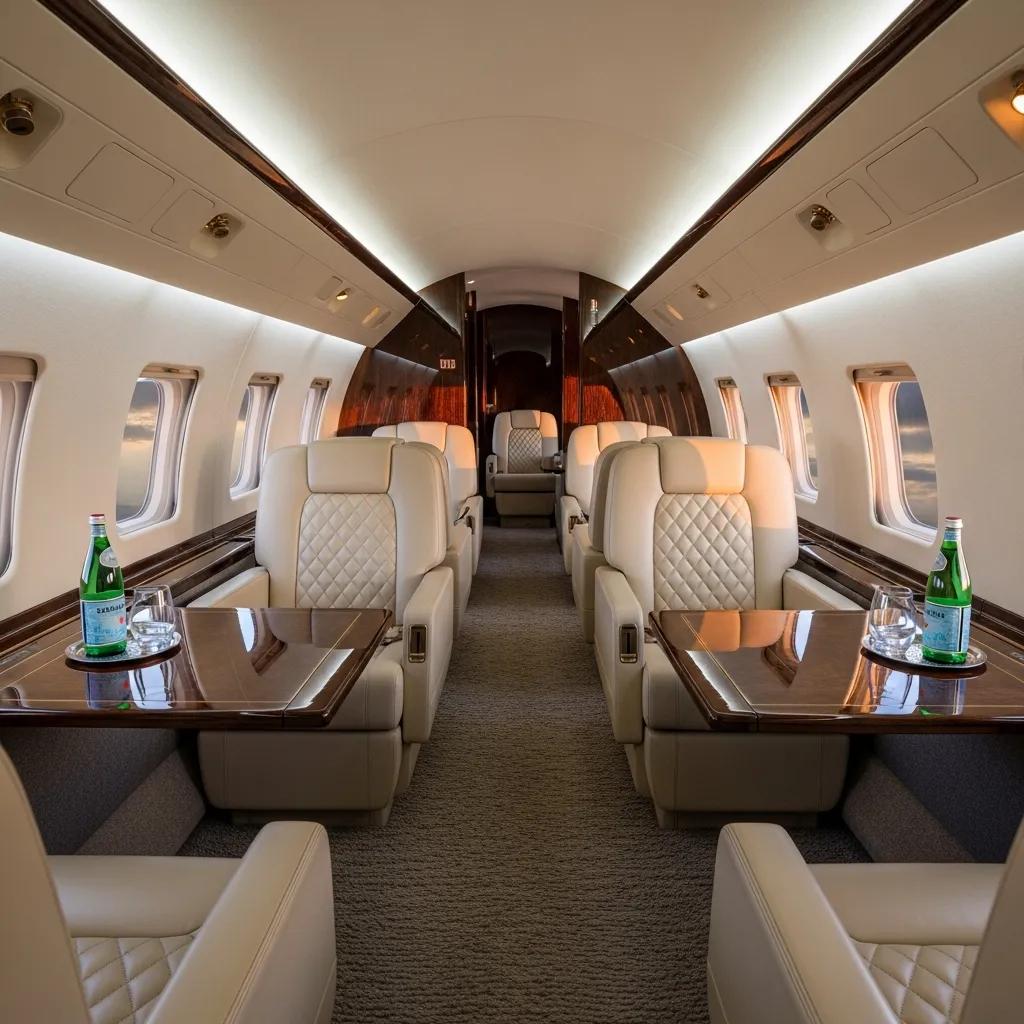
Charter is a pay‑per‑flight service: an operator sources an aircraft and crew to meet your itinerary so you avoid buying an aircraft or maintaining a standing aviation team. Operators pool global fleets, optimise utilisation and price flights as hourly rates plus pass‑throughs, freeing you to focus on the trip rather than aircraft logistics. Key benefits are no large upfront purchase, access to a wide range of aircraft that match each mission, and operator‑managed regulatory and ground handling. For occasional business trips, leisure travel or urgent cargo and medical flights, charter is a low‑commitment, highly flexible route into private aviation.
Next we contrast that simplicity with the commitments that come with ownership and why some organisations still keep their own jets.
The Economics of Private Jet Travel: Ownership versus Non‑Ownership Models
When a company decides to use private business travel, it evaluates the most cost‑effective way to do so — weighing aircraft choices and acquisition methods. This paper reviews the financial and programme options that are lowering the cost for business travellers and increasing private jet adoption. Our findings show that traditional views are too simplistic and that new ownership and non‑ownership models broaden the choices available to users.
The Economics of Private Business Jet Travel: New Ownership Models Expand Available Choices, 2008
Owning a private jet means buying the aircraft and taking on financing, depreciation and a range of fixed and variable operating expenses throughout the aircraft’s life. Owners benefit from guaranteed access, the ability to specify interiors and branding, and full control over scheduling — features that suit high‑utilisation users like multinational firms or high‑net‑worth individuals who fly many hours each year. Ownership also carries continuous obligations: hiring or contracting crew, following maintenance programmes, insurance, hangarage, regulatory compliance and asset management decisions including resale timing and depreciation planning. For users above certain utilisation thresholds (discussed later), ownership can provide predictable availability and brand advantages despite the financial and managerial burden.
A straightforward cost comparison below shows where charter remains more economical and where ownership begins to pay off.
Ownership requires an upfront purchase and ongoing fixed and variable costs. Charter converts most fixed costs into per‑mission fees and incidental charges that vary by trip. To compare economically, consider three buckets: acquisition and financing, fixed annual costs (crew, insurance, hangar, management) and variable operating costs (fuel, maintenance, engine reserves). Charter pricing typically bundles an hourly rate with handling and tax items, making it cost‑effective at low utilisation. Ownership becomes competitive as annual flight hours increase beyond typical breakeven points. The table below summarises common ownership obligations alongside an indicative charter cost structure for a side‑by‑side view.
The following table breaks down typical financial components for side‑by‑side comparison.
That comparison shows ownership front‑loads capital and running‑cost risk, while charter spreads costs by flight and transfers administrative risk to the operator. The next sections unpack upfront and ongoing ownership expenses and explain how charter quotes are assembled.
Budgeting for ownership starts with the purchase price and any finance charges, which vary by aircraft class (light, midsize, heavy). Depreciation is a major economic factor. Yearly fixed costs typically include crew employment and training, insurance, hangarage, management fees (if outsourced) and scheduled maintenance — cumulatively these can reach seven figures on larger jets. Variable costs such as fuel, AOG events, unscheduled maintenance and engine reserves scale with utilisation. UK tax rules — capital allowances, VAT treatment and depreciation regimes — materially affect net cost and should be modelled with an aviation tax specialist for accurate forecasting.
With ownership costs clear, the next section explains how charter pricing turns those demand‑side elements into a per‑mission quote.
The Economics of Private Business Jet Travel: Novel Ownership Models
When a company decides private business travel is worthwhile, it seeks the most cost‑efficient route considering aircraft characteristics and acquisition routes. This study examines several influencing factors, focusing on financial and programme alternatives that are reducing costs for business travellers and expanding uptake. The results indicate conventional thinking is incomplete and that new ownership or non‑ownership arrangements widen available choices.
The Economics of Private Business Jet Travel: New Ownership Models Expand Available Choices, 2008
Charter quotes are usually presented as an hourly wet or block rate including the aircraft, crew and core operating costs. Additional line items commonly appear for landing and handling, repositioning (empty‑leg moves), catering and any local taxes or VAT. Repositioning can significantly affect a quote when an aircraft must fly empty to pick up the client; operators sometimes offset this with empty‑leg discounts. As a rule of thumb, a low‑utilisation flyer with ~50 hours a year will find charter far cheaper than ownership because they avoid fixed costs; a business flying 200+ hours annually may approach an ownership breakeven, depending on aircraft type and financing. For transparent benchmarking, some operators publish rate pages and structured rate sheets — for example, Charter‑A Ltd highlights transparent pricing and maintains a Jet Charter Rates page for detailed quotes.
Breaking a quote into its components helps you compare true per‑use cost and decide when charter is the pragmatic choice.
Operational duties are a decisive factor: owners organise crew rostering, maintenance scheduling, regulatory compliance and ground logistics, while charter providers centralise these functions in their operations teams. Complexity includes scheduled maintenance cycles, unpredictable AOG events, crew training and duty‑time compliance, plus ground handling arrangements that affect passenger experience and turnaround. Moving these responsibilities to a charter operator reduces managerial overhead and operational risk, letting you concentrate on the mission rather than aircraft administration. The table below maps common responsibilities and who normally handles them under each model.
For clients who prefer to avoid aircraft administration, delegating these functions to a charter provider is a common and effective choice. The next sections look at owner maintenance demands and how a specialist operator manages logistics.

Owners must implement a full maintenance programme covering scheduled inspections, A‑checks/B‑checks, major overhauls and engine reserve planning, and ensure crew levels meet safety and duty regulations. Crew management includes recruitment, recurrent training, rostering, compensation and monitoring duty‑time limits to preserve safety margins. Outsourcing to an aircraft management company is a popular option that transfers most operational burdens while preserving asset ownership, though it introduces management fees and contractual obligations. The time and cost of managing maintenance and crew frequently tip the balance toward charter for organisations without aviation operations expertise.
Given these demands, many prospective owners compare managed ownership against charter to reveal the true cost of operational responsibilities.
Charter‑A Ltd structures charter operations around a simple, three‑step booking process and access to a global fleet (~4,500 jets). We focus on time efficiency — VIP terminal access, the option to arrive shortly before departure and expedited customs clearance — plus personalised choices such as aircraft selection and pet travel. Our approach emphasises transparent pricing with no hidden costs and 24/7 operations support to manage crew provisioning, ground handling and customs facilitation for every mission. For urgent cargo or mission‑specific flights, Charter‑A Ltd sources the appropriate airframe and coordinates logistics quickly to meet tight timelines. These operational strengths show how a specialist provider reduces the owner’s workload while delivering consistent mission outcomes.
With logistics clear, scheduling and customisation differences help frame the final decision.
Flexibility and control pull in opposite directions: ownership guarantees immediate access and allows permanent cabin customisation and branding, while charter offers mission‑specific flexibility across a broad fleet but can be constrained at peak times. Owners benefit from a ready aircraft for short‑notice travel and permanent interior fit‑outs for corporate identity. Charterers can match aircraft class to each trip — light jets for short hops, midsize for medium ranges and heavy jets for long‑haul or VIP missions — avoiding the limits of a single airframe. Availability can be improved with advance booking, jet cards or contractual block availability, but peak periods and major events may still affect on‑demand access.
The following subsections explore scheduling, availability and customisation in greater detail.
Owners have guaranteed access because the aircraft is on their balance sheet, which is invaluable for unpredictable, short‑notice itineraries. Charter availability is strong for planned travel but may require repositioning or extra notice during holidays, major events or peak seasons; empty‑leg options can lower cost but aren’t reliable. Mitigations for charterers include booking early, using jet card programmes for priority access, or contracting block availability with an operator. With proper planning, charter clients can often achieve near‑owner levels of access while avoiding ownership’s fixed costs.
These scheduling realities lead into differences in customisation and aircraft choice.
Owners can fully customise cabin layouts, seating, entertainment systems and cabin branding — a major advantage for corporate programmes — though such modifications are costly and tied to the airframe. Charterers choose from a global fleet to match each mission’s needs, giving practical flexibility without the commitment of ownership. Operators and caterers can still provide tailored service elements for charter flights — bespoke catering, privacy measures and onboard services — but permanent structural changes remain an owner’s prerogative. For many clients, the ability to select the aircraft type per trip delivers service quality on par with owned interiors, especially where mission flexibility matters more than permanent fit‑outs.
Next we outline the practical thresholds that indicate when chartering is the better option.
Charter is generally the right choice when annual flight hours sit below the ownership breakeven, when missions are irregular or varied, or when organisations prefer to avoid capex and operational management. Common guidance places the rough utilisation threshold for ownership viability around 200–300 flight hours per year, though the exact point depends on aircraft class, financing and UK tax treatment. Charter suits infrequent flyers, ad‑hoc missions like urgent cargo or medical flights, and businesses that value agility over asset control. A thorough decision framework compares total cost of ownership against projected charter spend, the value of guaranteed availability, and the internal bandwidth to manage an aircraft.
These scenarios show charter often offers superior value and responsiveness for low‑ to mid‑utilisation users. Organisations that regularly cross the utilisation threshold may find ownership delivers cost and control benefits despite its demands.
Infrequent flyers and mission‑specific clients benefit most from charter because they avoid purchase costs and ongoing fixed expenses while retaining access to a mission‑appropriate fleet. Examples include leisure travellers flying 10–50 hours a year, businesses needing occasional cargo lift for time‑sensitive shipments, or medical repatriation cases requiring immediate access to specialised equipment and routing. Charter also scales for seasonal peaks or one‑off events, making it ideal for organisations that prioritise flexibility over ownership. The pay‑as‑you‑fly model and reduced administrative overhead make charter the rational choice for these profiles.
This sets the stage for why ownership still appeals to high‑hour users.
Frequent flyers and organisations with predictable, high annual hours gain from guaranteed access, bespoke cabin configurations and potential long‑term cost advantages of ownership — particularly when flights substantially exceed the charter breakeven point. Ownership supports consistent branding and operational predictability for executive programmes, and certain tax or balance‑sheet treatments may favour ownership for some corporate structures under UK rules. Owners must accept maintenance, crew and compliance obligations or outsource them to management firms at extra cost. Quantitative modelling — comparing annualised ownership costs to projected charter expenses — is essential to determine whether ownership delivers net savings and strategic benefits.
Having covered ownership, charter and utilisation thresholds, we now summarise hybrid alternatives.
Fractional ownership and jet cards sit between full ownership and on‑demand charter, blending guaranteed access with lower capital commitment. Fractional ownership means buying a share of an aircraft and receiving proportional hours plus management services; jet cards are prepaid hourly blocks offering price predictability and priority booking within an operator’s fleet. Both reduce the fixed‑cost burden of whole‑aircraft ownership while improving availability versus pure ad‑hoc charter — attractive for users who fly frequently but not enough to justify sole ownership. The compact table below summarises typical attributes and benefits of each model.
The following table summarises hybrid options and their typical advantages.
Hybrids bridge the gap: fractional shares give ownership‑like guarantees while jet cards provide price certainty without long‑term capital outlay. The final subsections explain mechanics and suitability in plain terms.
Fractional ownership divides an aircraft into shares. Each shareholder buys a proportional interest that entitles them to a set number of hours and access windows, while an aircraft manager handles crewing and maintenance. This reduces upfront capital per user and delivers guaranteed blocks of availability, but shareholders still face management and positioning fees and potential resale complexity. Compared with full ownership, fractional models lower per‑user cost and operational responsibility but limit bespoke customisation. Versus charter, fractional ownership improves availability certainty and can be more economical for high but not full‑time utilisation profiles.
Understanding fractional mechanics helps determine whether partial ownership meets your operational and financial goals.
Jet cards let clients pre‑purchase a block of flight hours at a fixed rate, often with tiered service levels that include guaranteed availability windows, set hourly pricing and simplified invoicing. They suit users who fly regularly but not enough to justify ownership, offering predictability with operator‑managed logistics; many jet cards include preferential repositioning and priority scheduling. The main trade‑off is that prepaid hours don’t build equity and some programmes expire unused hours, so contract terms matter. For many frequent travellers, jet cards deliver the convenience and price certainty of a tailored solution without capital and managerial commitments.
That completes the practical comparison across ownership, charter and hybrid approaches.
UK tax for private jets covers VAT, capital allowances and depreciation rules, all of which affect the net cost of ownership. Owners can often claim capital allowances against profits, but VAT treatment varies by use and service type. Tax outcomes depend on corporate structure and flight usage, so we recommend working with an aviation tax specialist to model the implications and ensure compliance while optimising benefits.
Insurance typically includes hull coverage for physical damage and liability cover for third‑party claims. Premiums vary with aircraft type, value, usage profile and pilot history. Owners should work with a specialist aviation broker to tailor cover levels, confirm policy exclusions and meet regulatory conditions tied to operation and international flying.
Private jets have a higher carbon footprint per passenger than most scheduled flights. Operators and owners are increasingly using sustainable aviation fuels (SAFs), carbon offset programmes and more efficient airframes to reduce impact. When sustainability matters, consider aircraft with better fuel efficiency, SAF options and operators with credible environmental policies.
Maintenance varies by aircraft and usage but generally includes routine inspections, scheduled A‑ and B‑checks and periodic major overhauls. Regulators such as EASA and the FAA set minimum standards and intervals. Owners should partner with certified MRO providers and follow a documented maintenance programme to maintain airworthiness and operational reliability.
Managing costs means careful budgeting, outsourcing where sensible and optimising flight schedules. Many owners use aircraft management companies to handle maintenance, crew and compliance, while operational discipline — consolidated routing, minimising repositioning flights and regular contract reviews — helps control variable costs like fuel and handling. Regularly benchmarking services and renegotiating supplier terms can also yield savings.
A management company brings expertise in regulatory compliance, maintenance oversight and crew hiring, reducing the owner’s administrative burden and ensuring the aircraft is operated to professional standards. Management firms often secure better service rates through supplier relationships, making ownership more efficient and less hands‑on for owners who prefer to delegate operations.
Prospective buyers should assess flight frequency, mission profiles and the full budget for acquisition plus ongoing operating costs. Evaluate total cost of ownership, expected resale value and market demand for the aircraft type. Consult aviation advisers — tax, legal, operational and resale specialists — to ensure the purchase aligns with travel needs and financial objectives.
Choosing between charter and ownership comes down to how often you fly, how much control you need and how much administration you’re willing to accept. Chartering gives immediate, flexible access without capital outlay; ownership delivers availability and bespoke fit‑outs at the price of higher fixed costs and operational responsibility. Hybrid solutions like fractional ownership and jet cards sit between those poles. If you’d like help modelling costs or comparing options for your travel profile, explore our resources or contact our team for a tailored assessment.

Uncover the key differences between chartering and owning a private jet. Understand costs and benefits to make an informed choice for your travel needs.

Uncover the key differences between chartering and owning a private jet. Learn which option suits your travel needs best for luxurious flying experiences.
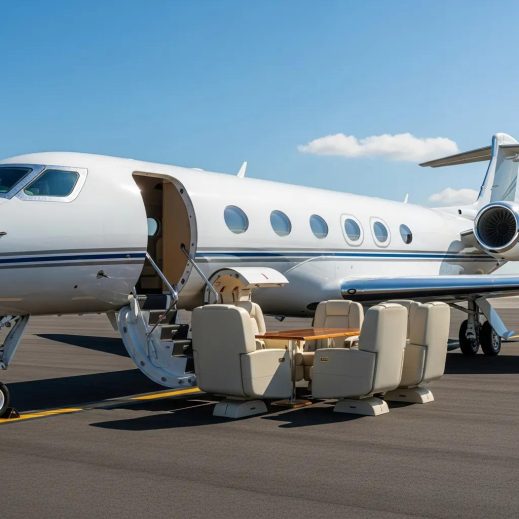
Experience the luxury and convenience of private jet charters. Avoid long lines and flight delays, ensuring a seamless and personalized travel experience.

Unlock the secrets of private jet hire costs with our essential guide. Get insights into pricing, services, and savings for your next luxury travel experience!
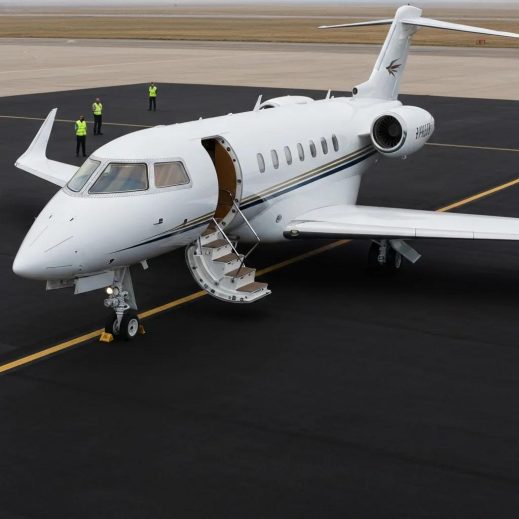
Experience the luxury of private jet travel. Effortlessly book a private flight that caters to your needs and enjoy exclusive journeys tailored just for you.
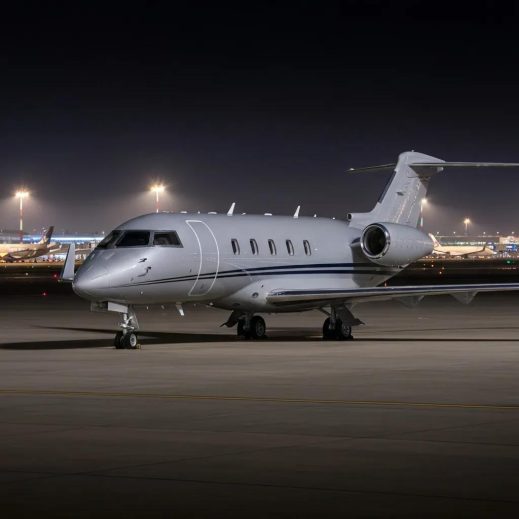
When I hire a private jet from Jersey Airport, I skip the hassle and fly in luxury. Experience the convenience and comfort of private jet travel today!

Join me as I fly in style to the Cheltenham Gold Cup. Experience the thrill of a helicopter charter from Battersea Heliport for a race day like no other!
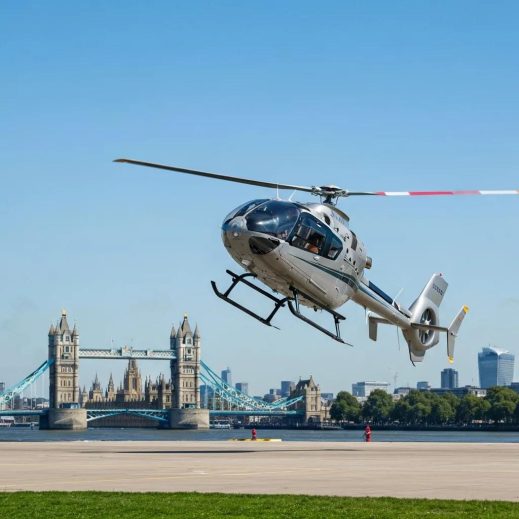
After experiencing Battersea Heliport, I choose it for my luxurious flights. Quick, stylish, and just the way I like to travel in London. Join me!

Turn your private jet dreams into reality. By booking early, I’ve slashed my charter costs significantly. Fly in style while keeping expenses in check!
If you’ve never booked a private jet before, the process […]
Helicopter hire is one of the most exciting ways to […]
When it comes to unforgettable experiences, helicopters go hand in […]