
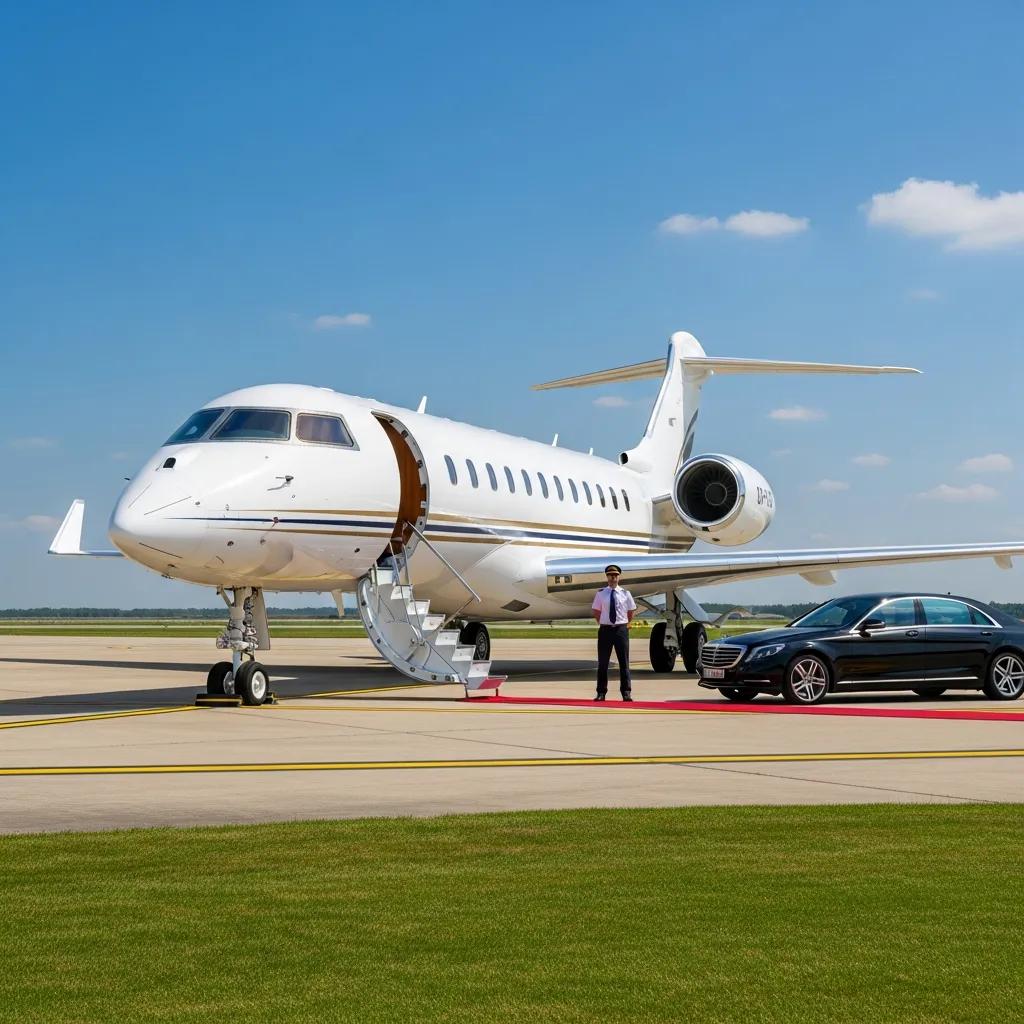
Understanding Private Jet Hire Cost in the UK: What Influences Your Final Bill?
Private jet hire costs in the UK reflect a bundle of operating expenses, airport charges, and service options rather than a single ticket price, and understanding those components helps you predict the final bill. This article explains how hourly rates vary across aircraft categories, what drives one-way versus return pricing, and which operational charges are commonly included in a quote. Many travellers expect a simple per-hour price, but real-world private air charter invoices combine fuel uplift, crew positioning, airport handling, and sometimes repositioning legs that together determine the total. You will find clear hourly ranges by aircraft type, a breakdown of core cost components, route-by-route example estimates and practical ways to reduce spend while preserving travel time and comfort. The guide also compares helicopters and air taxi services with fixed-wing jets and outlines how to get a bespoke quote for private jet, helicopter or air taxi travel. Read on for hourly tables, route matrices, cost-saving tactics and step-by-step guidance so you can request a tailored estimate with confidence.
What Are the Typical Private Jet Hire Costs and Hourly Rates in the UK?
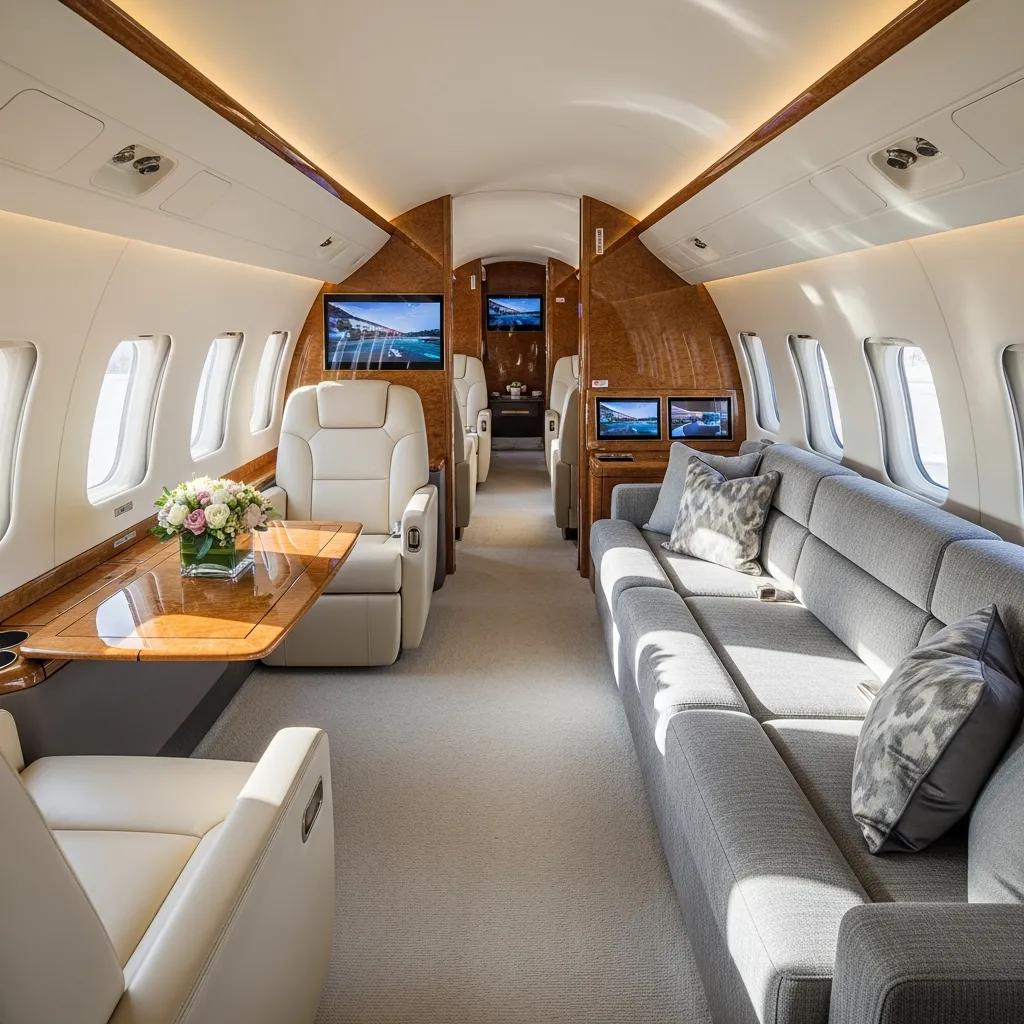
Typical private jet hire costs are quoted either as an hourly rate for the aircraft type or as a per-flight estimate that includes sector-specific extras; the hourly rate covers the aircraft, crew, and basic operating costs. Hourly rates vary substantially because different aircraft have different fuel burn, maintenance cycles and crew requirements, and the hourly figure is a starting point rather than the final invoice. Understanding per-hour bands helps with quick comparisons and feeds into per-route estimates where positioning, airport fees and taxes are added. Below is an at-a-glance comparison of common aircraft categories, seating, range and typical hourly rates to aid quick decision-making and snippet-style queries.
This table shows how hyponyms such as turboprops and light jets fit under the hypernym private air charter, and it clarifies why range, seating and fuel consumption drive hourly rates. The hourly bands help estimate short UK hops versus long-haul hours, and they form the basis for more specific per-route calculations presented later. If you want an immediate, itinerary-based price that includes exact airport fees and any repositioning, you can request a bespoke quote for private jet, helicopter or air taxi travel—quotes will reflect the hourly rate plus sector-specific charges and are tailored to travel dates and passenger count.
How Do Hourly Rates Vary by Private Jet Type?
Hourly rates vary because aircraft differ in fuel burn, maintenance cost and crew complement, and these operating components translate directly into the per-hour charge. For example, turboprops have low fuel consumption and simple maintenance cycles, which make them cost-efficient for short hops. At the same time, heavy and ultra-long-range jets require larger crews, more complex maintenance, and higher fuel uplift for long sectors, pushing hourly rates higher. Representative models map to the earlier table: a turboprop or small turboprop-like aircraft will be at the lower hourly band, a light jet in the mid-band, and heavy jets occupying the top bands. These relationships are semantic triples: turboprop → consumes → less fuel; heavy jet → requires → greater crew and maintenance, which explains rate differences and informs aircraft selection for specific routes.
What Are the Average Price Ranges for Private Plane Hire in the UK?
Per-flight price ranges depend on route distance, aircraft category and one-way versus return positioning, so a short domestic hop like London–Edinburgh will typically cost far less than a medium European sector or a long-haul intercontinental flight. As a rule of thumb, short UK hops in a light jet often fall within a lower multi-thousand-GBP band, midsize regional trips rise into the mid-thousands, and transatlantic or Middle East sectors in ULR jets can cost tens of thousands for a one-way sector. Per-flight estimates convert from hourly rates by applying flight time, minimum sector charges and added fees such as handling and parking; because these variables change by airport and date, the most accurate approach is to request a tailored quote that lists all line items and explains any repositioning or overnight crew cost implications.
What Key Factors Affect Private Jet Charter Prices in the UK?
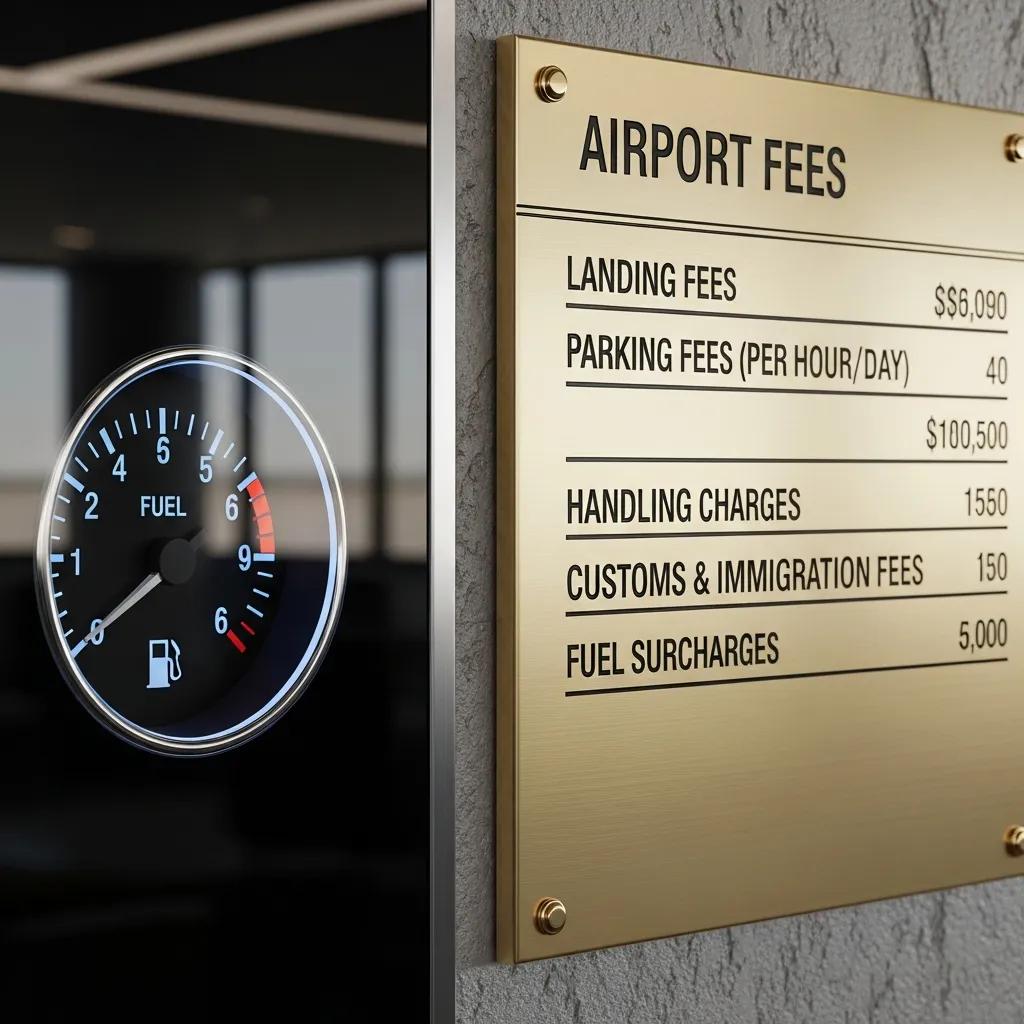
Private jet charter prices in the UK are composed of several discrete cost components that collectively determine the final invoice; knowing each component helps anticipate variability and spot savings opportunities. The main cost drivers include fuel and fuel uplift, airport fees and handling, crew salaries and overnight expenses, repositioning (one-way) charges, catering and passenger services, and seasonal demand or peak surcharges. Below is a compact EAV-style table that breaks down those components, clarifies what they cover and gives example ranges so readers grasp which items typically move the price most.
Understanding these meronyms—fuel, crew, airport fees—lets you see why a quote itemises costs rather than relying on a single headline figure. The next paragraphs unpack each major component so you can read a quote with confidence and identify which line items can be negotiated or optimised.
Before we look closer at each factor, here are the primary cost elements summarised as a short list to guide what you’ll see on detailed quotes.
- Fuel uplift, which reflects route distance and current fuel prices.
- Airport fees and handling, which vary by airport and time.
- Crew-related costs, including overnight allowances when required.
This list frames the deeper breakdown that follows and shows where a bespoke quote will account for each item; to obtain such a quote, provide your intended route, travel dates and passenger count so the estimate reflects all these components.
How Does Aircraft Type and Size Impact Your Final Cost?
Aircraft type and size influence not just per-hour rates but the total operating cost through fuel burn, required crew composition and maintenance schedules, meaning a larger jet might be necessary for range or passenger comfort but will cost more per hour. Choosing a heavy jet for a short route increases cost inefficiently because the heavy jet’s fixed operating overheads and higher fuel burn push the per-sector price up; conversely, selecting too-small an aircraft may require payload or luggage compromises. A practical example: the same London–Nice sector flown in a light jet versus a super-midsize jet can differ significantly in hourly and per-flight cost due to differences in cruise speed and fuel consumption. Choosing the right category aligns the hypernym private air charter to the trip’s needs and optimises cost-per-passenger.
How Do Flight Duration and Journey Distance Influence Pricing?
Flight duration directly scales fuel and crew time, so longer sectors produce higher absolute costs and often require larger uplift margins for reserves and alternate airports, which adds to the bill. Many operators apply minimum sector charges or minimum flight hour billing for short hops, which means a 30–40 minute sector can be billed as a larger minimum time; this is especially relevant for high-turnaround short flights. Multi-leg journeys compound costs since each sector may incur separate handling and landing fees, and distance-driven fuel uplift can force a larger aircraft or technical stop that increases both time and cost. Understanding these dynamics helps when comparing direct flights against indirect routing or mixed-mode options.
What Role Do Airport Fees and Passenger Taxes Play in Pricing?
Airport fees include landing charges, handling fees, parking and sometimes passenger processing charges; these costs vary widely between major hubs and smaller regional airfields and are typically passed directly to the client. For instance, landing and handling at a major international airport will usually be higher than at a regional business airport, and overnight parking fees can add to return-trip invoices if the aircraft remains on site. Passenger-specific charges—where applicable—may include arrival/departure fees or security surcharges and should appear as discrete line items on a formal quote. To locate exact fees for a prospective trip, a bespoke estimate will itemise charges by airport so you can see which airports increase the total and consider alternatives.
How Do Crew Costs, Repositioning, and Catering Affect the Bill?
Crew costs include salaries reflected across sector hours plus per-diem expenses when overnight stays are required, and operators may include a crew hotel and transport line where duty-time rules force layovers. Repositioning occurs when the chosen aircraft is not at the departure airport and the operator must fly it there empty or charge for the deadhead leg; repositioning can effectively double a one-way price but may be offset by empty-leg availability. Catering and special services are optional add-ons yet they increment the final invoice predictably—bespoke menus, VIP handling or special requests appear as separate charges. These components are meronyms of the overall price and are common negotiation points during the quote process; request an itemised quote to see how each contributes.
How Does Seasonal Demand and Flight Type Change Costs?
Seasonal demand—summer months, major holidays or event-driven peaks—creates surcharges and reduces aircraft availability, driving prices higher and shortening lead times for preferred aircraft. Operators often apply peak-season uplifts (sometimes a meaningful percentage of the base rate) and adjust minimums based on demand, so booking in high season should account for possible 20–40% increases depending on route and date. Different charter types such as business, leisure or specialised operations (e.g., medical/repatriation) carry different urgency profiles and regulatory or crew requirements, which can alter pricing structure and availability. Awareness of seasonality helps clients plan for lower-cost windows or accept premium pricing for last-minute or peak-period travel.
How Do Different Private Jet Categories Compare in Cost and Features?
Private jet categories balance seating capacity, range and cabin comfort against hourly operating cost and are selected to match trip profile rather than prestige alone. Below is a compact comparison of common categories and when each is typically appropriate, followed by a short table that reiterates capacity, range and hourly rate bands. This helps decide whether a turboprop, light jet or heavy jet best suits your itinerary.
- Turboprops: cost-efficient for short regional hops with modest luggage needs.
- Light jets: best for short UK and near-Europe sectors at moderate cost.
- Midsize to heavy jets: chosen for transcontinental range and greater cabin comfort.
Selecting the correct aircraft category aligns operating costs to mission needs, and the following table clarifies trade-offs between capacity, range and cost bands.
This comparison shows hyponyms under the private air charter hypernym and helps match aircraft to trip length, passenger count and luggage, ensuring you choose the most cost-effective category for your needs. After selecting a category, the next step is to compare real route prices, which factor in the airport selection and repositioning described earlier.
What Are the Characteristics and Costs of Light and Super Light Jets?
Light and super light jets typically seat 4–7 passengers, offer sufficient range for UK–Europe sectors and deliver quick boarding with lower hourly burn than larger jets, making them cost-effective for short to medium distances. Their limitations include smaller baggage volumes and less cabin standing room, so passenger and luggage counts must fit the aircraft’s payload profile. Hourly rates reflect lower operating complexity than midsize aircraft, positioning them as the practical choice for business day trips or short leisure hops in the UK and nearby Europe. For travellers prioritising speed and low turn-around cost, light jets are often the preferred balance.
How Do Midsize, Super Midsize, and Heavy Jets Differ in Pricing?
Midsize and super midsize jets expand cabin comfort and range—accommodating more passengers and luggage—so they are commonly used for longer European sectors or shorter intercontinental sectors where comfort matters. Heavy jets and ultra-long-range aircraft provide maximum range and cabin amenities for transatlantic or Middle East flights, but their hourly rates are substantially higher due to larger engines, multiple crew and heavier maintenance requirements. Pricing differences are therefore a trade-off: comfort and nonstop capability versus increased operating cost, and the right choice depends on passenger expectations and route distance.
What Are the Cost Ranges for Ultra Long Range Jets and Turboprops?
Ultra long range (ULR) jets are designed for nonstop intercontinental sectors, carrying more fuel and often larger crew complements, and they command the top hourly bands listed earlier; turboprops, by contrast, are the most economical for short-range hops and can be the lowest-cost option when airports and payload permit. Use turboprops for short domestic journeys where runway performance and speed are sufficient, and reserve ULR jets for direct long-haul missions where their range avoids technical stops and reduces total trip time despite higher per-hour costs. These choices demonstrate the semantic relation: ULR jets → enable → nonstop intercontinental travel; turboprops → enable → low-cost regional mobility.
What Are Popular UK and International Private Jet Routes and Their Estimated Costs?
Concrete route examples illustrate how hourly rates, distance and airport charges translate into per-sector estimates, helping you compare likely costs for common itineraries. Below is a route matrix with distance/flight-time estimates and indicative cost bands for light, midsize and heavy/ULR categories; numbers are illustrative and intended to show relative order-of-magnitude differences rather than final quotes.
This matrix uses range and hourly bands to produce illustrative estimates, showing how longer distances push you into midsize or heavy/ULR categories. These examples illustrate the role of repositioning, airport fees and overflight permits as potential uplifts; because such items vary by airport, exact quotes will reflect those variables precisely. If you wish to know the exact cost for your dates and passenger count, request a personalised quote that itemises each line of the estimate and clarifies repositioning or empty-leg opportunities.
How Much Does a Private Jet Cost from London to Nice or Edinburgh?
London–Edinburgh and London–Nice are common comparisons: Edinburgh is a short domestic hop suited to light jets or turboprops with lower fuel uplift and shorter crew duty times, while Nice is a slightly longer regional flight where midsize or light jets with higher cruise speeds are typical. Cost estimates for London–Edinburgh often start in the low thousands for turboprops and rise for light jets; London–Nice commonly moves into higher bands reflecting increased flight time and potential handling charges at international airports. Positioning and minimum sector charges affect one-way pricing in both cases, so a return booking or flexible dates can materially reduce per-sector cost.
What Are Typical Prices for Long-Haul Flights Like London to New York or Dubai?
Long-haul routes like London–New York and London–Dubai require ULR or heavy jets because of range and ETOPS/regulatory considerations, and they attract the highest per-flight costs driven by multi-thousand-pound hourly rates and significant fuel uplift. Typical one-way estimates can span tens of thousands up to low six-figures depending on aircraft category, passenger count and extra costs such as overflight permits, technical stops or mandatory crew rest overnight expenses. The larger operational footprint of long-haul flights—additional crew, flight planning complexity and higher airport handling—explains why these sectors command premium pricing compared with regional routes.
How Can You Save Money on Private Jet Hire in the UK?
Reducing private jet cost relies on flexibility and informed choices about aircraft, airports and timing; several tactical measures commonly yield meaningful savings without sacrificing core benefits like time savings and privacy. The three most practical levers are empty-leg use, flexibility with dates/airports and selecting the appropriate aircraft category for the mission. Below is a numbered list of actionable tactics and then a short analysis of pros and cons to manage expectations.
- Book empty-leg flights when available to capture discounts of up to ~50% on a one-way sector.
- Be flexible with departure/arrival airports and mid-week travel to lower peak-demand surcharges.
- Choose the smallest aircraft that meets passenger and luggage requirements to reduce hourly costs.
- Provide advance notice so operators can allocate lower-cost positioning and avoid last-minute premiums.
These tactics combine operational and market levers; empty legs can deliver substantial savings but require timing flexibility and acceptance of routing constraints. The next section explains empty legs and limitations in more detail so you can weigh trade-offs before committing.
What Are Empty Leg Flights and How Do They Reduce Costs?
An empty leg is a repositioning flight where an aircraft must return or reposition without revenue passengers, and operators sometimes sell those sectors at discounts to partially cover repositioning cost; typical savings can approach 30–50% of a comparable regular charter. Empty legs are attractive for travellers with flexible schedules because they offer deep discounts, but they come with limitations: timing is fixed, routing may be indirect, and refunds or changes are restricted. Practical tips include signing up for empty-leg notifications, being prepared for short-notice availability and considering one-way routing that aligns with available repositioning legs. Empty legs illustrate the semantic relation repositioning leg → becomes → discounted opportunity when sold to passengers.
How Does Flexibility with Dates, Airports, and Booking Advance Affect Pricing?
Flexibility lowers cost by enabling operators to avoid repositioning and to schedule flights in off-peak windows; choosing a nearby business airport instead of a major hub frequently reduces landing and handling fees. Booking well in advance increases the chances of securing preferred aircraft at lower rates, while last-minute bookings typically attract premiums because aircraft allocation becomes constrained. Mid-week travel often yields lower availability pressure and therefore lower pricing compared with popular weekend or event windows. Applying these adjustments can yield practical savings while still keeping the primary benefit—time efficiency—intact.
How to Choose the Right Aircraft to Balance Cost and Comfort?
Choosing the right aircraft is a checklist exercise: match passenger count and luggage to seating and baggage capacity, verify range matches the sector without technical stops, and decide on cabin comfort trade-offs versus price. Start with the minimum category that safely accommodates people and bags; then step up if nonstop capability or additional cabin amenities are essential. Consider payload-impacting items like sport equipment or pets, and factor in runway performance for certain regional airfields. This decision framework helps balance cost and comfort by aligning the mission needs with the most efficient aircraft category.
How Do Helicopter and Air Taxi Charter Costs Compare to Private Jets?
Helicopter and air taxi services are sibling entities to private jets under the private air charter hypernym but serve different mission profiles, cost structures and use-cases; they are often priced per-hour or per-seat and excel for short city-to-airport transfers or access to locations with limited runway infrastructure. Helicopters can save significant ground time for city transfers despite higher per-hour costs because they operate from helipads or city terminals, while air taxis sometimes offer per-seat pricing that is more economical for single travellers on short hops. Below is a short comparison list and a mini-summary to make the trade-offs clear.
- Helicopters: high hourly cost, exceptional point-to-point access and time savings for short routes.
- Air taxis: often per-seat models that reduce cost for solo travellers on short sectors.
- Fixed-wing jets: superior range and speed for regional to long-haul sectors with lower per-mile cost on longer flights.
These distinctions guide transport mode selection when time versus cost is the core decision, and the following subsections detail typical pricing models and use-cases.
What Are Typical Prices for Private Helicopter Charters in the UK?
Helicopter charter pricing is usually quoted per hour and can be higher per-hour than a light jet, but the total trip cost may be lower when factoring in door-to-door time savings for urban transfers; common short transfers around London or to nearby airports are priced accordingly. Per-seat air taxi models exist where passengers buy individual seats on scheduled or semi-scheduled rotorcraft services, which can be cost-effective for single travellers. Because helicopters are sensitive to weather and have limited range, they are best for short hops where ground congestion would otherwise negate time savings. If time is the priority, helicopter charters deliver value despite higher hourly operating costs.
How Much Do Air Taxi Services Cost Compared to Private Jets?
Air taxi services often use smaller fixed-wing aircraft or helicopters and may offer per-seat pricing that is more economical for solo passengers compared with chartering an entire light jet. For short regional hops, air taxi per-seat blends can undercut whole-aircraft charter rates, especially when seat availability is high and schedule matches traveller needs. However, air taxis lack the flexibility of bespoke private charters in routing and timing, so the cost trade-off must be balanced against schedule constraints. When comparing options, request both whole-aircraft and per-seat quotes to determine which model yields the best price for your passenger count and timing.
For tailored pricing and to book private jet, helicopter or air taxi travel that matches your itinerary and passenger count, request a bespoke quote that itemises hourly rates, airport fees, repositioning and any optional services; a clear quote reduces friction and makes comparison straightforward.
Conclusion
Understanding the various factors that influence private jet hire costs in the UK empowers you to make informed decisions that align with your travel needs and budget. By grasping the nuances of hourly rates, cost components, and aircraft categories, you can optimise your travel experience while managing expenses effectively. To explore tailored options that suit your itinerary, consider requesting a bespoke quote that details all relevant charges. Take the next step towards a seamless travel experience by requesting your personalised estimate today.
