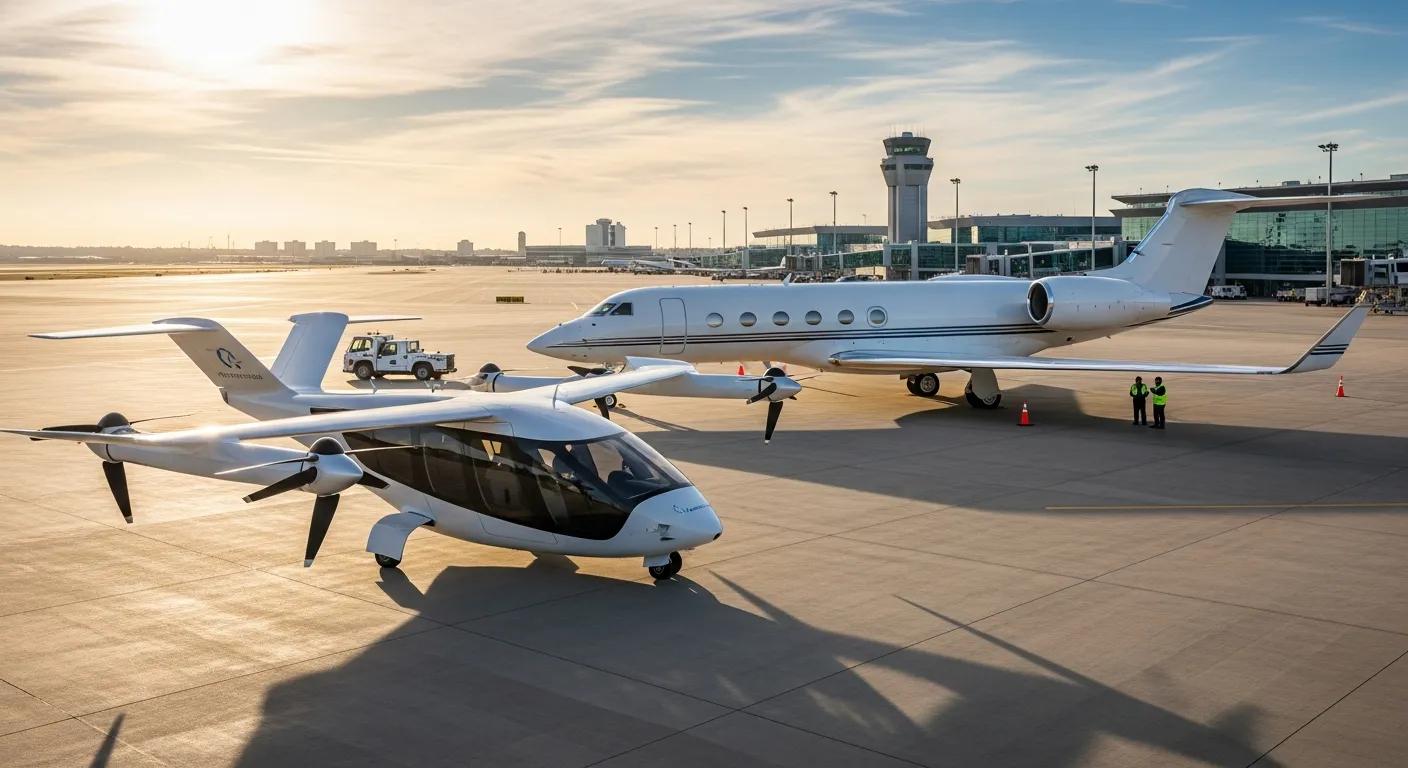
Air Taxi vs Private Jet: Which Private Flight Option Fits Your Needs?
To determine whether an air taxi or a private jet fits your needs, consider the following:
- Cost: Air taxis can be up to one-third less expensive than private jets, making them a more cost-efficient option for private travel.
- Capacity: Air taxis typically accommodate small groups, usually 6-9 passengers, while private jets offer a more luxurious experience for varying passenger counts, generally 4-18 depending on the jet size. Air taxis do not accommodate large parties of up to 60 people.
- Pet Travel: Air taxis allow pets to travel in the cabin, which can be a significant advantage for pet owners.
- Booking Process: Air taxis offer a fast and easy booking process with transparent quotes and no hidden charges.
- Service Area: Both options provide access to various airports across the UK and Europe, but air taxis may be more suited for short-range flights.
- Luxury and Comfort: Private jets offer a higher level of luxury and personalised service, ideal for those seeking a premium travel experience.
Ultimately, if you prioritise cost and the ability to travel with pets, an air taxi may be the better choice. If luxury and a tailored experience are more important, consider a private jet.
What Are the Key Differences Between Air Taxis and Private Jets?
The key differences between air taxis and private jets include:
- Cost: Air taxis are typically less expensive than private jet charters, making them a more economical option for short flights.
- Flight Range: Air taxis are typically used for short hops between smaller airports, while private jets can cover longer distances and offer a more luxurious travel experience.
- Passenger Capacity: Air taxis typically accommodate 6-9 passengers, while private jets can accommodate larger parties and offer a more spacious environment.
- Pet Travel: Air taxis allow pets to travel in the cabin with their owners, whereas private jets may have different policies.
- Service and Experience: Private jets often offer a more luxurious, tailored service than air taxis, which may prioritise efficiency and cost-effectiveness.
How Do Air Taxis and Private Jets Compare in Cost and Pricing?
Air taxis are generally more cost-effective than private jets, with prices potentially being up to one-third less than those of larger private jets. For example, passenger flight costs on air taxis can be as low as £300 per person when the plane is fully loaded. In contrast, private jet charters typically cost more, often starting at several thousand pounds, depending on the aircraft type and distance.
What Are the Differences in Range, Speed, and Passenger Capacity?
Air taxis are designed for short-range flights, typically operating between smaller regional airports. They can reach speeds of around 200 knots, making them suitable for quick trips. In contrast, private jets can cover longer distances at higher speeds, often exceeding 400 knots, and are equipped to carry fewer passengers in greater comfort. While air taxis generally accommodate 6-9 passengers, private jets usually cater to smaller groups but can carry more passengers, depending on the aircraft type, enhancing the luxury experience.
What Are the Benefits and Use Cases of Air Taxi Services?
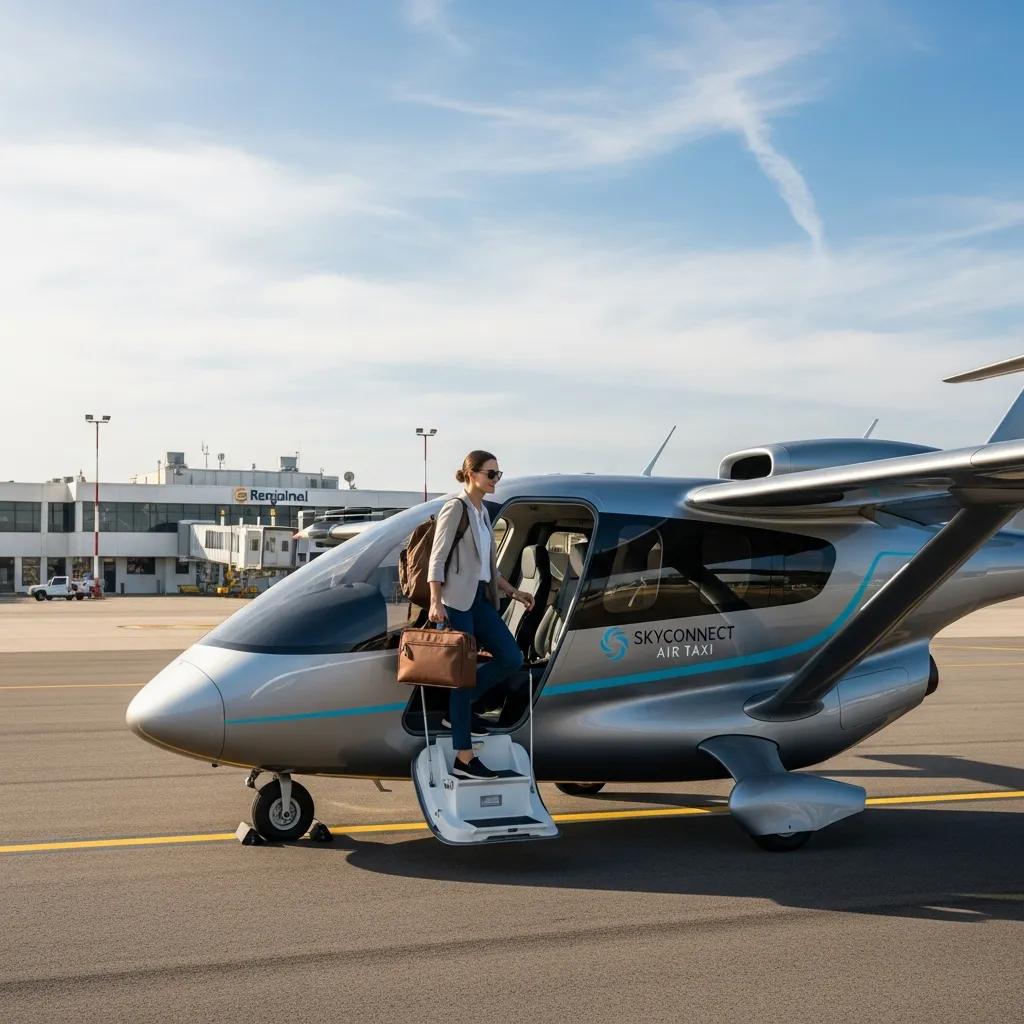
The benefits of air taxi services include:
- Convenience: Air taxis allow travellers to bypass congested commercial airline routes and access smaller airports, saving valuable time.
- Flexibility: Travelers can schedule departures at their preferred times, accommodating last-minute travel plans or itinerary adjustments.
- Cost-Effectiveness: Air taxis can be a more affordable option compared to private jet charters, offering significant savings.
- Diverse Aircraft Options: A range of aircraft is available to suit different travel needs, from small turboprops to light jets.
- User-Friendly Booking Process: The booking process is straightforward, with instant pricing and availability provided online.
Use cases for air taxi services include business travel, leisure trips, and urgent travel needs, making them suitable for both professionals and vacationers.
How Do Air Taxis Serve Short-Haul and Urban Travel Needs?
Air taxis serve short-haul and urban travel needs by providing efficient, convenient transportation that bypasses congested commercial airline routes. They offer direct access to smaller airports, enabling travellers to reach their destinations faster than on traditional flights. This is particularly beneficial for business professionals and leisure travellers who require flexibility in scheduling, enabling them to depart at their preferred times. Additionally, air taxis are a cost-effective alternative to private jet charters, making them accessible for a range of travel needs.
The broader concept of Urban Air Mobility (UAM) further explores how such services, particularly with eVTOL integration, can alleviate urban congestion.
Urban Air Mobility (UAM) Development & eVTOL Integration
This study explores urban air mobility (UAM) as a strategy for mitigating escalating traffic congestion in major urban areas as a consequence of a static transportation supply versus dynamic demand growth. It offers an in-depth overview of UAM development, highlighting its present state and the challenges of integration with established urban transport systems. Key areas of focus include the technological advancements and obstacles in electric vertical take-off and landing (eVTOL) aircrafts, which are essential for UAM operation in urban environments.
Urban air mobility (UAM) and ground transportation integration:
A survey, K Wang, 2024
What Is the Role of eVTOL Technology in Air Taxi Services?
eVTOL (electric Vertical Take-Off and Landing) technology is revolutionising air taxi services by enabling aircraft to take off and land vertically, particularly in urban environments. This technology reduces the need for extensive runway infrastructure, allowing air taxis to operate in densely populated areas. As eVTOL aircraft become more prevalent, they promise to enhance the efficiency and accessibility of air travel, making it a viable option for everyday commuting.
Further research highlights how eVTOLs are poised to enhance the cost-effectiveness and acceptance of air taxi services.
Air Taxi Cost-Effectiveness & eVTOL Acceptance
(also called eVTOLs), may further contribute to the acceptance and cost-effectiveness of air air taxi demand estimation approach from [5], which evaluates a segment of potential air taxi
The optimal size of a heterogeneous air taxi fleet in advanced air mobility: a traffic demand and flight scheduling approach, M Lindner, 2024
What Advantages Do Private Jet Charters Offer for Executive Travel?
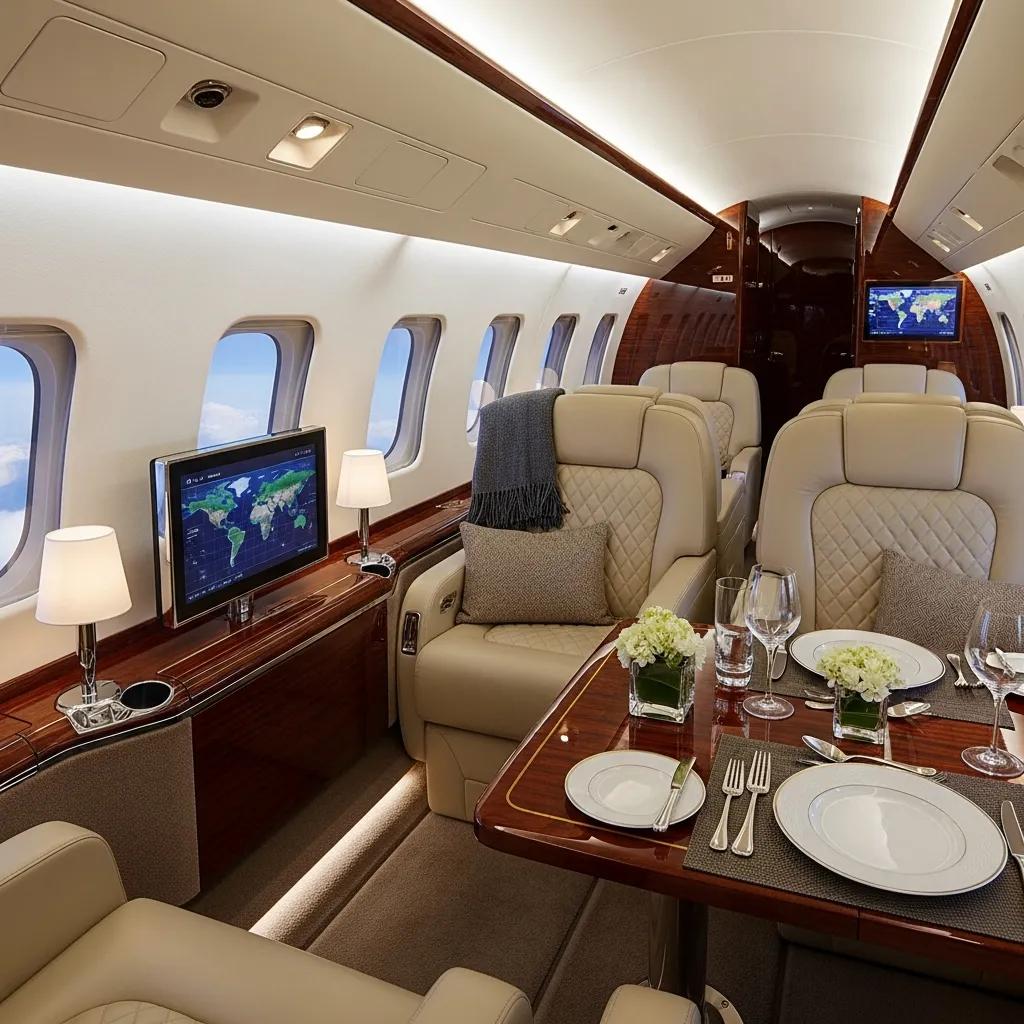
Private jet charters offer several advantages for executive travel, including:
- Time Efficiency: Direct flights eliminate layovers and lengthy check-in processes, enabling quicker departures and more flexible scheduling.
- Increased Productivity: Onboard amenities support work, enabling executives to remain productive during flights.
- Enhanced Privacy and Security: A secure environment allows for confidential discussions and sensitive meetings.
- Customisable Services: Tailored travel solutions, including personalised concierge services, enhance the overall travel experience.
How Do Private Jets Provide Luxury, Comfort, and Flexibility?
Private jets provide luxury, comfort, and flexibility through a range of high-end amenities and personalised services. They are equipped with spacious seating, high-speed internet, in-flight entertainment, and gourmet catering options, creating a comfortable environment for both relaxation and productivity. Additionally, private jets offer direct flights, reducing travel time and enabling last-minute schedule changes, which are crucial for busy executives. The privacy and security offered onboard facilitate confidential discussions and focused work, enhancing the overall travel experience.
An analysis of private jet customer experiences further underscores the importance of these luxurious, tailored services for discerning travellers.
Private Jet Customer Experience Analysis
experiences of the UHNWI segment by conducting and analyzing interviews with 20 clients flying private jets. Social value does not emerge as an important factor in this analysis. Flying
COME FLY WITH ME: EXPLORING THE PRIVATE AVIATION CUSTOMER EXPERIENCE (PAX), D Philipp’Phil’Klaus Ph
What Are Typical Private Jet Charter Costs and Booking Processes?
Typical private jet charter costs vary based on factors such as aircraft type, flight distance, and seasonal demand. The pricing for private jet charters can range from a few thousand pounds for short flights to tens of thousands for longer journeys. The booking process is straightforward, allowing clients to request quotes online or by phone, after which the charter service manages all flight details. For more specific cost information, clients are encouraged to request detailed quotes.
How Do Safety and Regulatory Standards Compare Between Air Taxis and Private Jets?
Safety and regulatory standards are critical in both air taxi and private jet operations, ensuring passenger safety and compliance with aviation regulations.
What Are the Safety Records and Pilot Experience Requirements?
Air taxi operators prioritise safety by adhering to guidelines set by the CAA and equivalent authorities elsewhere, and by conducting regular maintenance and inspections of their aircraft. Their pilots are highly trained and experienced, ensuring safe and comfortable flights. However, the specific pilot experience requirements may vary by operator, with many requiring extensive flight hours and specialised training for the aircraft they operate.
How Do FAA Regulations Differ for Air Taxi and Private Jet Operations?
FAA regulations for air taxi and private jet operations differ primarily in terms of operational standards and certification requirements. Air taxis may operate under Part 135 regulations, which cover on-demand commercial operations with smaller aircraft, while private jets can operate under Part 91 (private operations) or Part 135 (charter operations). Part 135 operations have stricter safety and maintenance requirements than Part 91. Understanding these differences is essential for travellers to make informed decisions about their flight options.
What Is the Environmental Impact of Air Taxi and Private Jet Travel?
The environmental impact of air taxi and private jet travel includes significant greenhouse gas emissions due to high fuel consumption and per-passenger carbon emissions. Although private jets can be more efficient for small groups than commercial flights on a per-passenger basis, they still contribute significantly to climate change. To mitigate these impacts, many companies are exploring sustainable aviation fuels and carbon offset programs, and some operators are investing in more fuel-efficient aircraft and technologies.
How Do Emissions and Sustainability Efforts Compare?
Emissions from private jets are significant, though they can be more efficient for small groups than commercial flights. To address this, many companies are exploring sustainable aviation fuels and carbon offset programs. Operators emphasise minimising their carbon footprint through optimised flight routes and fuel-efficient aircraft, alongside community sustainability initiatives. Overall, the aviation industry is increasingly focused on sustainability, with advancements in technology and practices aimed at reducing environmental impact.
What Role Does Sustainable Aviation Fuel Play in Private Air Travel?
Sustainable aviation fuel (SAF) plays a significant role in private air travel by reducing the carbon footprint of private flights. Many private jet operators are adopting SAF as part of their eco-friendly practices to mitigate the environmental impact of aviation-related greenhouse gas emissions. This shift towards SAF, along with advancements in fuel-efficient aircraft technology, reflects the industry’s commitment to sustainability and reducing its overall environmental impact.
How Can You Decide Which Private Air Travel Option Is Right For You?
To decide which private air travel option is right for you, consider the following factors:
- Number of Passengers: Determine how many people will be travelling to select an appropriately sized aircraft.
- Destination: Consider where you are flying to, as some jets are better suited for specific routes.
- Luggage Requirements: Assess your luggage needs, as different aircraft have varying weight capacities and restrictions.
- Travel Preferences: Consider your preferences for in-flight services, such as catering and entertainment.
- Budget: Evaluate the cost-effectiveness of private jet travel compared to commercial flights, especially for groups.
- Flexibility Needs: Consider how important flexibility and time savings are for your travel plans.
Consulting with a charter service can provide tailored options and a no-obligation quote to help you make an informed decision.
What Factors Should Influence Your Choice Between Air Taxi and Private Jet?
- Cost: Air taxis can be up to one-third as expensive as private jets, especially when travelling with a full load of passengers.
- Convenience: Air taxis offer greater flexibility in choosing who travels with you and can accommodate pets in the cabin, a significant advantage for pet owners.
- Privacy and Flexibility: Private jets offer enhanced privacy and the ability to customise travel itineraries, which may be more appealing for certain travellers
- Time Savings: Both options offer time efficiency, but private jets may offer more direct access to destinations without the delays of commercial flights.
- Environmental Impact: Consideration of sustainable aviation fuels and eco-friendly practices may influence the decision, as private jet operators are increasingly adopting these measures.
- Travel Needs: The specific requirements of your trip, such as destination, number of passengers, and amenities needed, can also dictate the best choice.
How Do Budget, Trip Length, and Convenience Affect Your Decision?
Budget, trip length, and convenience affect your decision by influencing overall cost, time efficiency, and travel flexibility. Private jet travel can be cost-effective for businesses needing flexibility and time savings, especially for groups, as it allows direct flights to smaller airports, reducing travel time and associated costs. The trip length affects pricing, as longer flights incur higher fuel and crew costs. Convenience is enhanced through reduced waiting times, customisable itineraries, and the ability to avoid crowded airports, making private jets a compelling alternative to commercial flights.
