

Essential questions to confirm a private jet meets UK safety regulations
Confirming a private jet complies with safety regulations protects passengers, meets legal obligations and keeps operations reliable. This practical guide shows charter clients which questions to ask and which documents to check before you fly. You’ll find clear explanations of how UK and European rules apply to private operations, which third‑party audits and credentials matter, how pilot training and maintenance are regulated, and what to expect at departure. From verifying an Air Operator Certificate (AOC) to reviewing maintenance logbook entries, the checklists and comparison points here are ready to use. Charter‑A Ltd builds its charter offer around strict regulatory compliance, experienced type‑rated crews and fully insured aircraft — so when you request a quote, safety is the foundation. Read on for focused questions, comparison tables and simple checklists you can use before boarding.
What are the key UK and European safety rules for private jets?
Private‑jet safety in the UK sits within a layered regulatory framework that covers airworthiness, operations, crew licensing and Safety Management Systems (SMS). These rules ensure aircraft are properly maintained, pilots are properly certified, and operators document their safety processes. Knowing which authority oversees the operation — the UK Civil Aviation Authority (CAA) for UK‑registered operators and the European Union Aviation Safety Agency (EASA) for many EU matters — tells you which records to request and where to verify them. Practically: ask who issued the operator’s AOC, whether the operator maintains an SMS and if international flights meet ICAO standards. The section below explains how CAA and EASA responsibilities differ and what that means for cross‑border operations and paperwork.
How do CAA and EASA rules affect private jet safety?
The CAA issues and monitors AOCs for UK operators and enforces national safety standards, while EASA provides Europe‑wide technical and operational rules that still apply in many international contexts. This distinction means you should confirm the AOC’s issuing authority and whether the aircraft and crew are authorised for your planned route — some AOCs limit operations by aircraft type or geography. Following Brexit, many operators demonstrate compliance with both CAA oversight and applicable EASA technical standards; you can request those records for reassurance. Ask to see the AOC details, an SMS summary and any recent CAA/EASA inspection outcomes. Checking these documents directly reduces uncertainty for cross‑border flights and confirms the operator is authorised to operate your itinerary.
What role does ICAO play in international private jet safety?
ICAO issues the global Standards and Recommended Practices (SARPs) that national regulators use to harmonise rules across borders. For clients, ICAO matters most on international legs: it influences crew licence equivalence, airspace procedures and the carriage of specific safety equipment. Practical examples include route clearances, border health or security procedures tied to international protocols, and standardised documentation formats used outside an operator’s home state. When arranging an international charter, ask for evidence that the operator complies with ICAO SARPs for cross‑border flights and that their AOC authorises international routes. That alignment helps ensure national differences don’t affect safety during overseas sectors.
ICAO Standards and Recommended Practices (SARPs) for global aviation safety
National differences in rules and procedures can increase risk in international air transport. ICAO’s SARPs provide a common baseline so states and operators can rely on consistent standards for safety, crew licences and operations when flights cross borders. These international standards underpin the global civil aviation framework and guide national regulators in delivering harmonised safety oversight.
ICAO Standards and Recommended Practices (SARPs), A Sipos, 2024
How can you verify a private‑jet operator’s safety credentials?
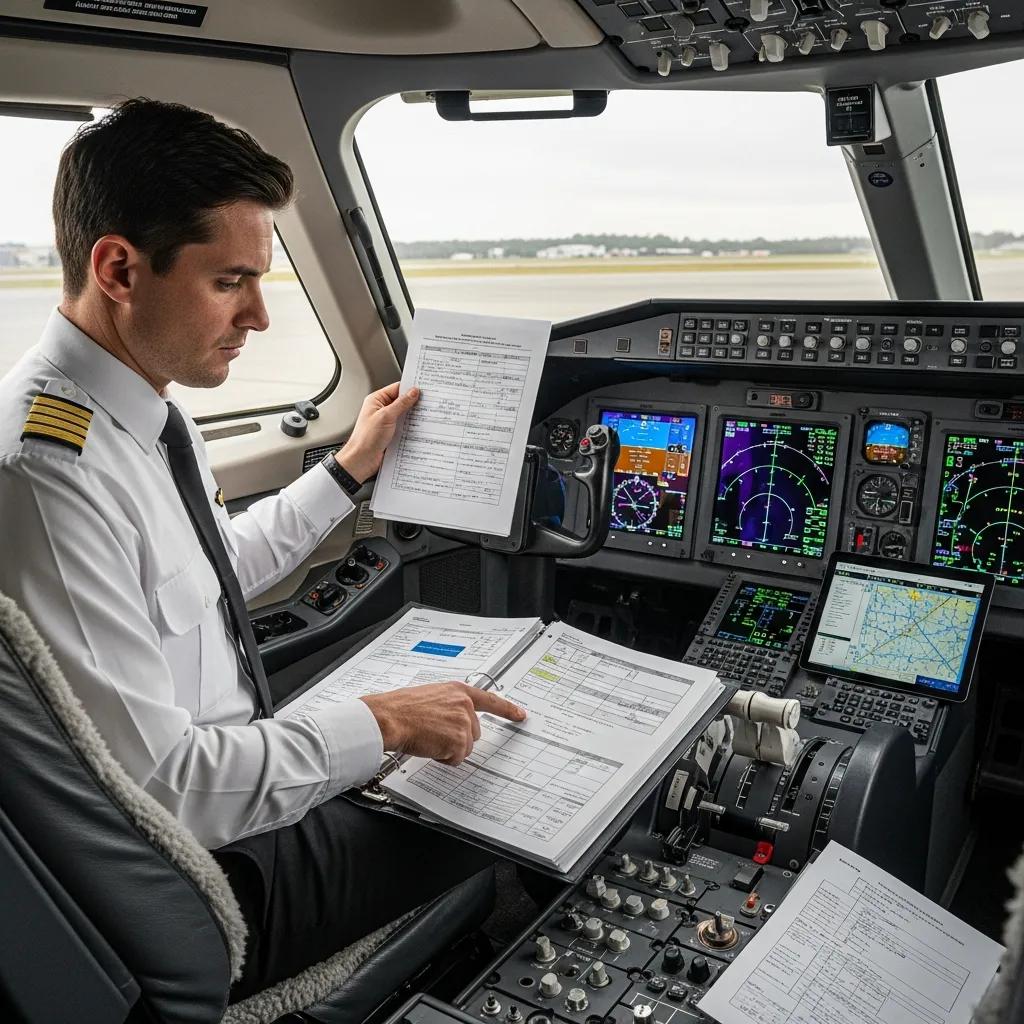
Verification works best with a short, targeted checklist: confirm the Air Operator Certificate, review third‑party audit ratings, check pilot licences and recent recurrent training, and inspect maintenance and insurance records. These steps turn regulatory terms into tangible documents you can request directly from the operator or your broker, helping you see whether the operator goes beyond minimum compliance. The table below helps you read common credentials at a glance and understand what each one signals about operational standards.
Operators and credentials — a quick comparison:
What is an Air Operator Certificate, and why does it matter?
An AOC is the regulator’s authorisation for commercial air transport and sets limits such as authorised aircraft types, crew qualifications, and geographical scope. Checking the AOC confirms the operator met regulatory requirements for management, SMS, maintenance arrangements and crew competency before carrying paying passengers. Ask which authority issued the AOC, the certificate number and any scope limits, then cross‑check with the issuing authority’s registry or request confirmation from the operator. Ensuring the AOC covers your aircraft type and route is essential — operating outside the AOC can lead to enforcement action and insurance disputes. Once the AOC is verified, third‑party audits and crew records offer further reassurance of ongoing compliance.
How do third‑party audits like ARGUS, Wyvern and IS‑BAO help?
Independent audits assess an operator’s systems, procedures and adherence to industry best practice through on‑site inspections, document reviews and operational sampling — providing an extra layer of oversight beyond regulator oversight. ARGUS tiers, Wyvern Wingman certificates, and IS‑BAO registration each reflect different audit scopes and depths; a recent high‑level audit indicates that the operator actively manages safety. Ask which audits the operator holds, the audit level or stage and the date of the last full audit. Third‑party validation highlights where operators exceed the legal minimum and gives you an objective way to compare providers. After confirming the audit status, the next natural checks are pilot qualifications and evidence of recurrent training.
What pilot qualifications and training standards apply to private jets?
Pilot competence is central to safety. Operators must employ pilots with the correct licences, valid type‑ratings for the aircraft they fly, and documented recurrent training — including simulator checks and proficiency assessments. Licences and type‑ratings prove a pilot’s knowledge and skill, while recurrent training and line checks keep those skills current in real‑world conditions. Ask for the licence classes held by the assigned crew, confirmation of type ratings for the specific jet, and the operator’s recurrent training schedule and assessment records. A clear training matrix and transparent documentation demonstrate that an operator actively manages crew competency rather than simply meeting minimum standards. The following subsection outlines typical licence types and flight‑hour benchmarks.
What licences and flight‑hour evidence should pilots have?
Private‑jet pilots normally hold professional licences appropriate to commercial operations (CPL or ATPL) plus type ratings for the jet family they operate, and they maintain minimum recent hours on type. For clients, confirm the captain holds an ATPL or CPL with a valid type‑rating, that the first officer holds the appropriate CPL/ATPL status and type‑rating, and that both have recent experience on type. Differences between Pilot‑in‑Command (PIC) and Second‑in‑Command (SIC) duties mean you should check minimum hours for each role on the specific aircraft, especially for long‑range or high‑performance jets. Requesting a summary of qualifications and recent hours helps you judge whether the crew matches the aircraft and route complexity, before moving on to recurrent training and medical fitness.
How is recurrent training and medical fitness maintained?
Ongoing competence is maintained through scheduled recurrent training cycles: simulator sessions, upset‑recovery training, line checks and Crew Resource Management (CRM) exercises — all recorded in the operator’s training records. Pilots also hold valid medical certificates of the appropriate class, with periodic revalidation to ensure fitness for duty; operators track expiries and manage recency through rostering. Ask for an outline of recurrent training frequency, the types of simulators and live checks performed, and confirmation that medical certificates are current for the assigned crew. Operators that provide a training matrix and medical compliance summary demonstrate an open, safety‑minded culture that complements maintenance and airworthiness checks below.
How is aircraft maintenance organised to meet safety standards?

Private‑jet maintenance follows scheduled programmes and certified release processes to keep aircraft airworthy. That includes routine line checks and periodic heavier-base maintenance, carried out or certified by approved engineers in authorised maintenance organisations, and recorded in the aircraft logbooks and release‑to‑service certificates. To satisfy yourself, ask which maintenance organisation supports the aircraft, whether they hold Part‑145 or equivalent approval, and request recent logbook excerpts or a summary of the maintenance tracking system. The table below shows common check types and typical intervals so you know what to request in a maintenance summary.
Maintenance schedule types and responsible certifiers:
What are the standard scheduled maintenance protocols?
Scheduled maintenance pairs routine line inspections for flight‑critical systems with deeper base or heavy maintenance at manufacturer‑defined intervals. Line maintenance handles day‑to‑day items and defect rectification; base maintenance involves component removal, overhaul and detailed inspection. Operators maintain a formal maintenance programme for each aircraft. Ask for the maintenance programme summary, recent logbook excerpts showing key checks, and the identity of the approved organisation that signs the release‑to‑service. Knowing the check cadence and who performs the work helps you confirm the operator follows OEM and regulator recommendations.
Who signs off on maintenance and confirms airworthiness?
Licensed engineers employed by regulator‑approved maintenance organisations certify maintenance and issue release‑to‑service endorsements. Organisations with Part‑145 or equivalent approvals are authorised to sign aircraft back into service, and certifying staff make logbook entries that legally attest to the work completed and the aircraft’s airworthiness. Ask for the maintenance provider’s name and approval status, samples of release‑to‑service entries, and confirmation that major inspections were completed by approved personnel. Clear provenance — who did the work, under which approval and when — reduces risk and builds confidence that the aircraft meets regulatory standards.
What pre‑flight and onboard safety procedures should passengers expect?
Passengers should expect a concise pre‑flight safety briefing, identity verification and any required advance passenger information (API), visible emergency equipment appropriate to the aircraft type, and crew trained to handle in‑flight contingencies. Operators and FBOs usually perform identity checks and process API in line with current security rules, and cabin briefings cover safety equipment locations, seatbelt use and emergency procedures tailored to private operations. You can reasonably request a sample passenger briefing script and an equipment checklist for your aircraft — this helps set expectations and ensures travellers with special needs or pets are prepared. The next subsection lists standard emergency equipment and explains how private‑jet protocols compare with commercial airlines.
What safety equipment and emergency procedures are standard on private jets?
Typical emergency equipment includes lifejackets, portable oxygen systems, fire extinguishers and first‑aid kits, with additional items depending on aircraft category and route (for example, overwater equipment). Emergency procedures follow the same basic principles as commercial operations — brace positions, evacuations and ditching — but private flights often offer more personalised briefings and direct crew interaction to ensure passengers understand their role. Request an equipment inventory for the specific aircraft and ask how the crew’s training is validated for scenarios relevant to your trip, such as overwater procedures or challenging airfield operations. Having that information in advance provides reassurance, along with checks on crew competence and maintenance.
How are passengers briefed and screened for security compliance?
Private‑jet briefings are usually short and delivered directly by crew, covering identity checks, seatbelt and stowage rules, and the location and use of emergency equipment; briefings can include tailored advice for higher‑risk legs. Screening and API requirements vary by route and regulator: many operators collect advance passenger information and verify identity at check‑in in line with FBO procedures. Prepare the documentation that the operator or FBO requests, and confirm whether pets or special cargo require additional paperwork — missing documents can delay departure or cause compliance issues. The short checklist below will help streamline pre‑flight processing.
Items to bring for private charter pre‑flight processing:
- Valid photo identification acceptable for travel.
- Any visas or travel permits required for destination or transit points.
- Advance passenger information (API) details as requested by the operator.
Which questions should you ask when choosing a safe private‑jet charter provider?
Choosing a safe operator means asking precise questions about credentials, maintenance rigour, crew standards and organisational safety culture — not relying on promotional language. Core checks include verifying the AOC and its scope, asking about third‑party audits, confirming maintenance provider approvals, and requesting a summary of pilot training and medical compliance. The short checklist below captures essential questions to ask every operator, followed by guidance on pricing transparency and signs of a proactive safety culture to help interpret responses.
Essential questions to ask an operator before booking:
- Can you confirm your Air Operator Certificate issuer, certificate number and the authorised scope of operations?
- Which third‑party safety audits or ratings do you hold, and when was your last full audit?
- Who carries out your aircraft maintenance, and do they hold a regulator‑approved maintenance organisation status?
- Can you provide a summary of pilot licences, type ratings, and recurrent training cycles for the assigned crew?
- What insurance and liability coverage do you carry for passengers and third‑party claims?
These questions separate operators who only meet the legal minimum from those who invest in stronger safety systems. The sections below explain how transparent pricing can reflect investment in safety and what behaviours indicate a genuine safety culture.
How can you check pricing transparency and a commitment to safety?
Transparent quotes that itemise safety‑related costs — maintenance reserves, insurance and crew training allocations — suggest an operator funds ongoing airworthiness and crew competency rather than cutting corners. Ask for a breakdown of major cost components and how maintenance reserves and insurance premiums are accounted for; unusually low quotes without detail can be a red flag. Practical questions include whether the quote lists insurance limits, third‑party FBO fees and any optional safety services (enhanced cleaning, specialist crew training). Clear pricing aligns with operational transparency and helps you judge whether safety is being prioritised financially.
What indicates a proactive safety culture beyond mere compliance?
Signs of a proactive safety culture include an active SMS with documented hazard reporting and corrective actions, regular internal audits in addition to regulator surveillance, non‑punitive incident reporting that encourages staff to raise concerns, and visible investment in recurrent training and technology. Operators that publish a safety policy, share anonymised incident reviews, or describe improvements driven by internal reviews demonstrate that safety is embedded in decisions rather than treated as paperwork. Ask for examples of internal audits, training investments or procedural changes that followed past reviews to see how the operator learns and adapts. Operators that demonstrate these behaviours typically deliver safer, more reliable service. If you’d like help validating claims, Charter‑A Ltd offers safety‑focused charters with experienced type‑rated pilots, fully insured aircraft and AOC‑aligned operations to support clients seeking documented compliance and reassurance.
- If you would like a validated, safety‑focused charter or an initial safety verification discussion, contact Charter‑A Ltd to request a quote or a safety summary for your proposed aircraft and route.
Frequently Asked Questions
What are the benefits of using a third-party audit for private jet safety?
Third-party audits, such as those from ARGUS or Wyvern, provide an independent assessment of a private jet operator’s safety practices and compliance with industry standards. These audits go beyond regulatory checks, offering clients reassurance that the operator adheres to best practices in safety management. By reviewing audit ratings, clients can gauge the operator’s commitment to safety and operational excellence, helping them make informed decisions when selecting a charter provider.
How can I ensure the pilot’s qualifications are up to date?
To verify a pilot’s qualifications, request documentation that includes their current licences, type ratings, and records of recurrent training. Pilots should hold valid Commercial Pilot Licences (CPL) or Airline Transport Pilot Licences (ATPL) along with specific type ratings for the aircraft they operate. Additionally, ask for evidence of recent flight hours and any simulator training completed. This information ensures that the crew is not only qualified but also maintains their skills through regular training and assessments.
What should I know about the maintenance history of the aircraft?
Understanding an aircraft’s maintenance history is crucial for ensuring safety. Request recent maintenance logs, including details of routine checks and any significant repairs. Verify that the maintenance was performed by a certified organisation, ideally one with Part-145 approval. This documentation should outline the frequency of inspections and any major overhauls. A well-documented maintenance history indicates that the aircraft is kept in optimal condition, reducing the risk of in-flight issues.
What are the typical emergency procedures on a private jet?
Emergency procedures on private jets generally mirror those of commercial airlines but are often tailored to the specific aircraft and flight. Passengers can expect a pre-flight safety briefing that covers emergency equipment locations, evacuation procedures, and the use of safety gear. Additionally, crew members are trained to handle various in-flight emergencies, ensuring that they can respond effectively. Requesting a copy of the emergency procedures can provide further insight into how the operator prepares for potential contingencies.
How does the operator’s safety culture impact my flight experience?
The safety culture of a private jet operator significantly influences the overall flight experience. Operators with a proactive safety culture prioritise ongoing training, regular internal audits, and transparent incident reporting. This commitment to safety fosters an environment where crew members are encouraged to report concerns without fear of repercussions. When selecting an operator, inquire about their safety policies and how they implement lessons learned from past incidents, as this can enhance your confidence in their operational standards.
What should I do if I have special requirements for my flight?
If you have special requirements, such as travelling with pets or needing additional assistance, communicate these to the operator well in advance. Most private jet operators can accommodate various needs, but advance notice is essential for proper arrangements. Request information on how the operator handles special requests, including any necessary documentation or procedures. This proactive approach ensures a smoother travel experience tailored to your specific circumstances.
What should I look for in a private jet charter contract?
Focus on the total cost, cancellation and change terms, and any additional fees. Make sure the contract names the aircraft type, operator and AOC details, and sets out maintenance and insurance obligations. Look for clauses that confirm safety and airworthiness responsibilities, and check whether the operator guarantees compliance with applicable regulations. A clear, detailed contract protects your interests and reduces surprises on the day of travel.
How can I assess the safety culture of a private jet operator?
Ask about the operator’s Safety Management System (SMS), how they handle incident reporting and whether reporting is non‑punitive. Operators with a strong safety culture run regular internal audits, publish safety policies and invest in ongoing training and technology. Request examples of how past incidents led to procedural change — this shows the organisation learns and improves rather than just ticking boxes.
What are the implications of operating under different regulatory jurisdictions?
Different jurisdictions can change licence, maintenance and operational requirements. UK operators answer to the CAA; EU‑registered aircraft and many international operations are subject to EASA standards. Verify that the operator’s AOC covers the intended route and aircraft type. Understanding these jurisdictional differences helps ensure the operator meets all necessary regulations for your itinerary.
What documentation should I request before my flight?
Request the operator’s Air Operator Certificate (AOC), recent third‑party audit reports, and representative maintenance records. Ask for pilot qualifications and training logs for the assigned crew, and a summary of insurance coverage. Having these documents in hand reassures you that the operator meets the expected safety and operational standards.
How do private jet safety protocols differ from those of commercial airlines?
Both follow the same regulatory principles, but private operations are often more personalised and flexible. Briefings tend to be shorter and delivered directly by the crew, and operators can tailor procedures to the specific flight. The underlying safety standards remain consistent; the difference is in the level of personal attention and briefing detail offered to passengers.
What should I know about insurance for private jet charters?
Insurance is a core part of safety and liability management. Operators should carry adequate passenger and third‑party liability cover, as well as protection for the aircraft. Ask for policy details, coverage limits and any exclusions. Verifying that insurance meets or exceeds industry norms gives you confidence that financial protections are in place should an incident occur.
Conclusion
Confirming that a private jet meets required safety regulations is essential for a secure, stress‑free flight. By asking focused questions and checking the right documents, you can choose a charter provider that genuinely prioritises safety and compliance. If you’d like support validating an operator or booking a safety‑focused charter, Charter-A is ready to help — experienced crews, fully insured aircraft and AOC‑aligned operations are standard practice for our service.
