
To avoid hidden private jet charter fees, insist on a fully inclusive quote in writing and confirm whether de-icing, catering, WiFi and crew overnights are covered before you sign. A reputable UK broker will itemise anything excluded — a vague quote is itself the warning sign.
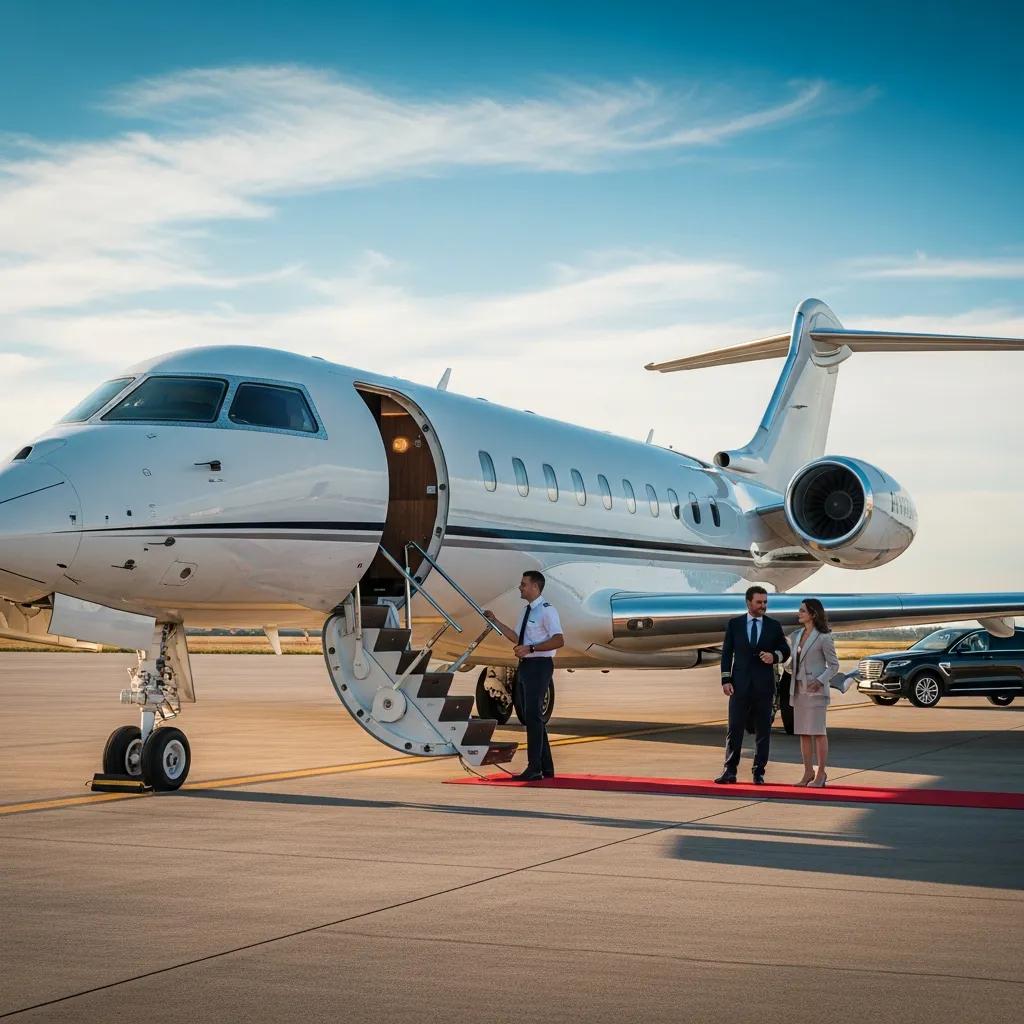
Hidden Costs Uncovered: What to Know Before You Charter a Private Jet
Surprise charges can turn a perfectly good charter quote into an unexpected bill. This guide breaks down the common hidden fees that sit outside the advertised hourly rate, explains why they appear and shows exactly how to spot and avoid them so your final cost matches what you expect. Its practical aim is simple: to help you enquire and book private jet, helicopter and air cargo charters with full price clarity. Read on for clear fee categories, mitigation tactics, sample comparisons and a straightforward checklist you can use when requesting fully itemised, all‑inclusive quotes.
We start by defining hidden fees and listing the most common types so you can recognise them at a glance. Next we look at repositioning and fuel surcharges — with small calculations and ways to reduce their impact — then cover airport and crew charges that often arrive as separate line items. The guide also covers weather and international permit costs, optional extras that increase totals, and finishes with how Charter‑A Ltd delivers on a “no hidden costs” pledge and what to ask any broker or operator for a truly all‑inclusive price. Throughout you’ll find checklists and practical examples designed to make fee conversations direct and actionable.
What Are Private Jet Hidden Fees and Why Do They Exist?
Hidden fees are ancillary charges outside the aircraft’s advertised hourly rate that cover operational, airport, regulatory and service costs. They occur because many variables can change between a provisional quote and the executed flight — fuel price swings, airport levies, crew logistics and weather services are common drivers. Understanding why these charges appear helps you ask the right questions up front, compare genuinely all‑inclusive quotes and reduce budget uncertainty.
Below is a concise list of the most common fee types, their typical triggers and the financial impact to watch for. This clarifies which items are usually itemised by other providers and which can be bundled by an all‑inclusive broker; the table that follows summarises typical handling so you can compare offers quickly.
This table shows predictable triggers and how an all‑inclusive approach converts variability into a single confirmed total. Knowing these items gives you the footing to demand clarity in any quote and the practical steps to minimise avoidable add‑ons.
What Common Hidden Fees Affect Private Jet Charter Costs?
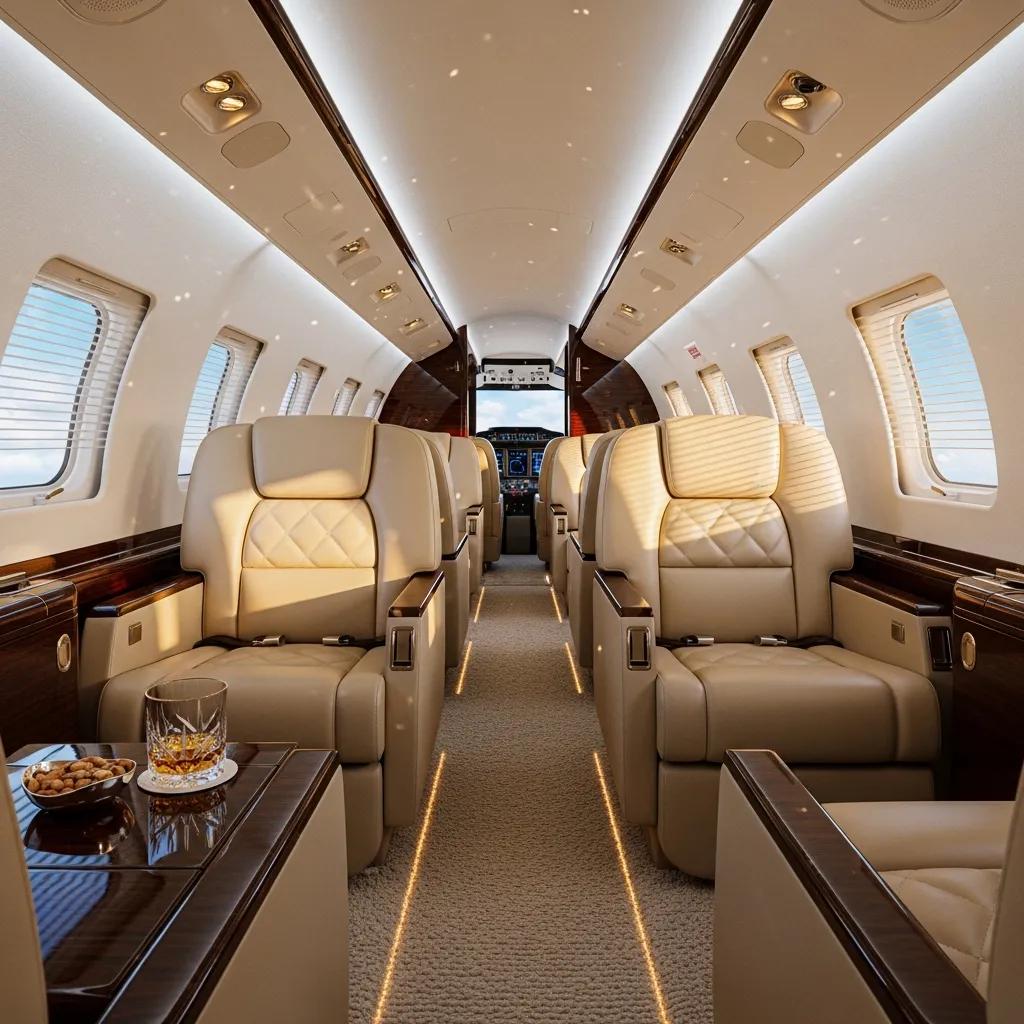
Common hidden fees include repositioning charges, fuel surcharges, airport levies, handling and ramp fees, crew overnight/per diem, de‑icing, international permits and ancillary services such as catering or ground transport. Each fee is triggered by an operational reality: repositioning when the aircraft isn’t in position, fuel surcharges when market prices change, and higher airport fees at select terminals or premium FBOs. Identifying which fees apply to your itinerary — single‑leg, multi‑leg, domestic or international — helps you prioritise negotiation points during booking.
- Repositioning can range from a few hundred to several thousand pounds depending on distance.
- Fuel surcharges track market indices and may change between quote and flight.
- Airport and handling fees vary by airport class and time of day; major hubs usually cost more.
Knowing these triggers lets you ask for protective terms and prepares you for the systemic reasons hidden fees are common in private aviation and how brokers can reduce that variability.
Why Are Hidden Fees Prevalent in Private Aviation?
Hidden fees are common because private aviation combines high fixed costs, variable operational expenses and a fragmented supply chain where airports, FBOs and regulators each set independent charges. Fuel volatility hits operational budgets quickly, while repositioning creates one‑off ferry costs driven by aircraft location and client itineraries. Multiple international permit regimes and weather contingencies like de‑icing add further unpredictability, encouraging itemisation by less transparent providers.
Transparent brokers and operators manage this complexity by modelling likely contingencies and offering inclusive price options. Understanding these systemic forces makes it practical to demand an itemised, all‑inclusive quote that assigns responsibility for potential fees rather than leaving costs ambiguous until invoice time.
How Do Repositioning and Fuel Surcharges Impact Private Jet Pricing?
Repositioning fees and fuel surcharges are operational drivers that increase the total charter price when not anticipated. Repositioning applies when the aircraft must fly empty to your departure point; fuel surcharges respond to market prices and are usually applied as a percentage uplift or per‑hour add‑on. Both vary with circumstances, so securing clear policies on application is essential for accurate budgeting.
Understanding how these charges are calculated lets you compare offers clearly: repositioning raises ferry costs and affects total price; fuel surcharges tie hourly cost to market moves. The next sections offer avoidance tactics and a short example to make these concepts operational.
What Are Repositioning Fees and How Can They Be Avoided?
Repositioning covers the cost to move an aircraft without passengers to your departure airport and is calculated from ferry time, fuel burn and crew logistics. It’s charged when no suitably positioned aircraft is available. Avoidance strategies include flexible scheduling to match aircraft positions, taking an empty‑leg flight, using a nearby alternative airport with a positioned aircraft, or working with brokers who can absorb repositioning in an all‑inclusive quote. Always ask whether ferry legs are included, waived or shown as a separate line item so you can compare true totals.
Practical negotiation points: be flexible on departure time, consider an alternate airport a short transfer away, or align your trip with known repositioning sequences to reduce or eliminate the fee. These approaches save money while keeping your schedule workable and lead into fuel surcharge management.
How Do Fuel Surcharges Fluctuate and Affect Your Quote?
Fuel surcharges follow market indices and refinery pricing, so they can change between the time a quote is issued and the flight day. Operators may apply a percentage uplift or a per‑hour surcharge tied to published indices. To mitigate this risk, request a fuel policy: include fuel in an all‑inclusive rate, ask for a capped surcharge, or negotiate a firm price lock for a defined lead time. Transparent firms will state whether fuel is included or itemised and whether adjustments apply if prices move beyond an agreed threshold.
Mini example: a £3,000 hourly rate with a 10% fuel uplift increases hourly cost by £300 — which adds up quickly on longer flights. Securing fuel terms in writing prevents last‑minute bill surprises and prepares you for the airport and crew charges addressed next.
What Airport and Crew Fees Should You Expect When Chartering?
Airport and crew fees cover charges levied by airports, FBOs and crew requirements and commonly appear as landing fees, handling charges, ramp fees, premium FBO surcharges, crew overnight accommodation and per diems. These are billed by different parties — airport authorities, ground handlers or operators — and vary widely by airport size, terminal facilities and local regulation. Asking for explicit inclusion or capped amounts up front avoids unexpected invoices after the flight.
Knowing which party levies each charge — airport, ground handler or crew — helps you request itemised or included status and equips you for scenarios that trigger crew costs. The following sections break down typical airport charges and crew per diem practices with examples and negotiation points to keep total costs predictable.
Which Landing, Handling, and Ramp Fees Are Typically Charged?
Landing, handling and ramp fees come from airports and Fixed Base Operators (FBOs) for runway use, apron parking, marshalling and ground services. Major international hubs usually charge more than smaller regional fields. Fees depend on aircraft weight, scheduled time (overnight or peak hours) and required ground services such as GPU, lavatory servicing or towing. Practical steps: request quotes for the exact departure and arrival airports, compare FBO options at the same airport and ask brokers to include anticipated airport charges in the all‑inclusive total.
Choosing a nearby secondary airport or a different FBO can materially reduce costs. Ensure the quote references the specific FBO and expected handling services to avoid surprise variances. Next we cover crew fee practices — another common variable you should clarify before departure.
How Are Crew Overnight and Per Diem Fees Managed?
Crew overnight and per diem fees cover accommodation, meals and incidental expenses when multi‑day trips or overnight stops are required. Operators calculate these based on crew rostering rules, labour agreements and the number of crew members needed for the aircraft. These fees are triggered by overnight layovers, multi‑leg schedules or flights that exceed duty‑time limits and are typically estimated per crew member per night. To control costs, ask for crew accommodation and per diems to be included in the all‑inclusive quote or set caps and preferred hotel standards to avoid open‑ended billing.
As with other variable charges, obtaining written confirmation of crew fee treatment — included, capped or itemised — prevents disputes at the invoice stage and makes total trip cost comparable across providers. With airport and crew fees covered, we move on to weather‑related and international permit costs that often surprise international travellers.
Are De-icing and International Fees Included in Private Jet Charters?
De‑icing and international fees are conditional costs arising from weather and cross‑border regulatory requirements. De‑icing is weather‑driven safety work; international fees include overflight permits, landing permissions and customs handling. Both can be unpredictable: de‑icing depends on last‑mile weather and international permits require lead time and administrative fees that vary by country. Confirming who is responsible for these charges and how they’re quoted is critical to avoiding unexpected expense.
The table clarifies timing and responsibility for common weather and international charges and sets expectations for what to ask when you request an all‑inclusive quote.
When Are De-icing Charges Applied and How Does Charter-A Ltd Handle Them?
De‑icing is applied when ice, frost or snow risks threaten flight safety and is usually charged per operation by the FBO or ground handler. Costs vary by aircraft type, number of applications and urgency. To avoid surprise charges, ask whether de‑icing is included in the all‑inclusive quote, whether there’s a cap, and how emergency re‑applications are billed. Charter‑A Ltd handles these charges transparently, with operational planning and clear upfront disclosure so weather contingencies don’t become billing surprises.
Request written confirmation of the de‑icing policy — included or itemised — so safety measures don’t translate into unexpected costs. Next we cover international permits and how to manage them.
What International Permits and Fees Should Clients Know About?
International flights require overflight permits, landing permits, customs clearance and sometimes diplomatic or security clearances depending on the destination. These require varying lead times and administrative fees. Costs depend on the countries involved and the complexity of permissions; the operator or broker typically handles the paperwork and passes through a disclosed administrative fee. To avoid surprises, request a permit schedule and fee estimate at the quote stage and insist that the quote documents who is responsible for each permit.
Confirming permit arrangements in writing ensures regulatory compliance and budget certainty. That completes the regulatory picture before we look at optional extras clients commonly add for convenience and comfort.
What Optional Extras Could Add to Your Private Jet Charter Costs?
Optional extras include catering, bespoke ground transport, in‑flight connectivity, cabin upgrades, pet handling and concierge services. Each is priced separately unless included in an all‑inclusive quote. These add‑ons improve comfort and convenience but can represent a significant portion of the final invoice when chosen à la carte. When planning your charter, request itemised options with fixed prices and consider bundling key extras into an inclusive package to keep total cost predictable.
- Catering: Priced per person or as tiered menus; bespoke menus carry higher costs.
- Ground Transportation: Chauffeur or luxury car priced hourly or flat; helicopter transfers quoted separately.
- In‑flight Wi‑Fi & Connectivity: Priced per flight, by subscription or by data usage.
Bundling extras or requesting an itemised extras list with fixed prices at booking reduces ambiguity and allows side‑by‑side cost comparison. Remember that helicopter and air cargo services can be coordinated with private jet bookings if you need combined logistics — a useful consideration when requesting quotes for multiple services.
How Are Catering and Ground Transportation Fees Structured?
Catering is typically charged per head with menu tiers — standard, premium or bespoke — plus extra fees for last‑minute changes, dietary complexity or on‑board chef services. Ask for sample menus and fixed per‑person pricing when negotiating. Ground transportation is offered as airport transfers or point‑to‑point chauffeur services; pricing depends on vehicle class, distance and waiting time. Helicopter transfers require separate quotes and coordination with rotorcraft operators. To control costs, request a bundled price that includes selected catering and transport or insist on pre‑approved supplier rates to avoid surprise surcharges.
Confirm exact supplier names and fee schedules in writing so your in‑flight and door‑to‑door experience is seamless and budgeted. With those details settled, consider connectivity and other amenities next.
Are In-flight Wi-Fi and Other Amenities Charged Separately?
In‑flight Wi‑Fi, live TV, enhanced cabin amenities and special cabin requests are often charged separately and can be priced per flight, per passenger or by data consumption. Some operators include basic connectivity in higher service tiers. Frequent corporate flyers can negotiate consolidated amenity packages or subscription models to reduce per‑flight charges and simplify billing. Always ask for amenity price lists and whether upgrades can be pre‑booked into a single invoice to prevent post‑flight billing surprises.
Negotiating amenity inclusion as part of a defined service level helps both corporate and private travellers forecast total travel costs more accurately and completes the preparatory work needed before requesting a fully itemised, all‑inclusive quote.
How Does Charter-A Ltd Ensure No Hidden Fees in Private Jet Chartering?

Charter‑A Ltd operates on a clear promise: NO HIDDEN COSTS WHEN CHARTERING AN AIRCRAFT WITH CHARTER‑A. Practically, that means our quotes specify what is included — aircraft, crew, fuel policy, standard landing/handling and pre‑agreed extras — and what will only be charged with your consent. We operate 24/7 across the UK, Europe and globally, with a diverse fleet and experienced crew, and we focus on transparent, all‑inclusive charters backed by clear pre‑flight disclosure to remove billing surprises.
Our practical measures include itemised written quotes, explicit fuel and repositioning policies, agreed crew per diem rules and documented handling and permit costs for international trips. Clients follow a defined booking pathway where contingencies are either included, capped or clearly disclosed so the final invoice matches the approved quote. The next section outlines specifically what Charter‑A includes and how to request a clear, itemised quote.
What Makes Charter-A Ltd’s Pricing Truly Transparent and All-Inclusive?
Our transparency combines explicit inclusion lists, documented operational policies and a single written quote that shows which third‑party charges are absorbed or pre‑paid and which require client approval. Typically included: aircraft hire, crew, a stated fuel policy, standard airport handling and basic ground handling where applicable. Premium FBO services, bespoke catering and optional amenity upgrades are shown as selectable line items. Our 24/7 availability and varied fleet let us reduce repositioning needs and match aircraft position to client schedules, lowering the likelihood of ferry charges.
By providing one written document that labels included services and optional extras, Charter‑A Ltd removes ambiguity and gives clients the budgetary certainty conventional itemised approaches often fail to deliver. This leads directly to the practical checklist you should use when requesting quotes from any provider.
How Can Clients Request Clear, Itemised Quotes to Avoid Surprises?
To secure an itemised, all‑inclusive quote, request the following checklist in writing: fuel policy (included/capped/itemised), repositioning/ferry policy, landing and handling inclusion, crew overnight/per diem treatment, de‑icing policy and a permit/administration fee schedule for international travel. Provide precise itinerary details, passenger count, baggage and pet requirements, desired extras (catering, ground transport, Wi‑Fi) and flexibility windows to enable accurate costing. Ask for a single total that lists included items and separately shows optional extras with fixed prices to remove ambiguity and make direct comparisons simple.
When you receive the written quote, review it against the checklist and confirm that any conditional items (weather, regulatory delays) are either included or capped. Doing so finalises booking terms and prevents after‑the‑fact charges. The commercial purpose remains clear: to generate enquiries and bookings for private jet, helicopter and air cargo charters. Send your itinerary and requirements to request an itemised quote and receive a transparent, all‑inclusive price that reflects exactly what you will pay.
Frequently Asked Questions
What should I do if I encounter hidden fees after booking a private jet?
First, review your contract and the original quote. Check whether the fees were disclosed or fall under agreed terms. If something looks incorrect, contact your broker or operator immediately and request a detailed breakdown. Keep communication clear and documented. If you can’t resolve the issue, escalate to a senior representative; in rare cases where charges appear unjustified, seek independent advice.
How can I ensure that my private jet charter is environmentally friendly?
Ask the operator about sustainability initiatives. Many providers offer carbon offset options or the ability to use Sustainable Aviation Fuel (SAF). Newer, more fuel‑efficient aircraft reduce emissions per flight, so request aircraft age and fuel‑efficiency details when quoting. If environmental impact matters to you, ask for documented offset or SAF options and include them in your quote so costs and benefits are clear.
Are there any loyalty programs for frequent private jet users?
Yes. Many operators and brokers run loyalty schemes or membership programs offering benefits such as preferential rates, priority booking and access to exclusive aircraft. Some programmes provide points that convert to flights or upgrades. Ask potential providers for programme details to see which aligns best with your travel frequency and needs.
What are the benefits of using a broker for private jet charters?
Brokers provide access to a wider selection of aircraft and operators, competitive pricing and expert guidance. They can simplify complex itineraries, flag potential fees and negotiate clearer terms on your behalf. Established brokers also offer operational support for last‑minute changes and international permits, making the booking process smoother and more reliable.
How can I compare different private jet charter quotes effectively?
Ensure each quote is itemised and includes potential fees like repositioning, fuel surcharges and airport charges. Compare fuel and repositioning policies, included services and any caps on conditional costs. Use a checklist that covers aircraft type, amenities and service level, and factor in operator reputation, safety record and client reviews to make an informed decision.
What should I know about international travel with private jets?
International travel requires overflight and landing permits, customs clearance and sometimes additional security or diplomatic arrangements. Lead times and fees vary by country, so work with a broker or operator experienced in international operations and request a permit schedule and fee estimate at quote stage. Allow extra time in your itinerary for customs and immigration to avoid delays.
Conclusion
Knowing the common hidden fees in private jet charters — repositioning, fuel surcharges and airport levies among them — puts you in control of your budget and prevents last‑minute surprises. By asking for itemised, all‑inclusive quotes and following the checklist above, you can compare offers on a like‑for‑like basis. Charter‑A Ltd’s transparent approach ensures you receive clear, written quotes so the final invoice matches the agreed price. Take the next step: request your personalised, all‑inclusive quote today for a seamless charter experience.
