
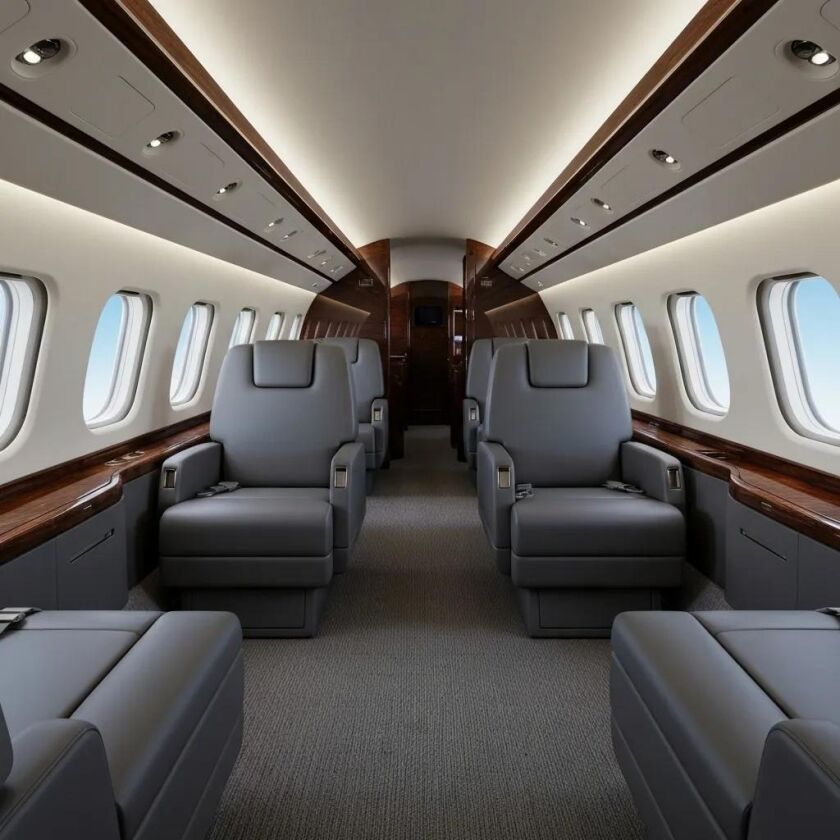
How to Choose the Right VIP Jet Charter for Your Next Business Trip: A Complete Executive Guide
Private air travel—often described as VIP jet charter—offers executives a fast, flexible and secure way to reach meetings, site visits and boardrooms with minimal disruption. This guide explains how VIP jet charters and related private air charter services (including helicopter and air taxi options) deliver measurable time savings, increased productivity and bespoke logistical advantages for corporate travel. Readers will learn how to match mission requirements to aircraft types, evaluate safety and provider credentials, compare private jet charter costs and booking models, and factor sustainability and UK-specific regulatory considerations into decisions. The article breaks down critical selection criteria, presents aircraft comparisons and EAV tables for quick reference, and outlines the booking flow from quote to take-off so procurement and travel managers can make informed choices. Throughout, practical checklists and decision points will help you quantify ROI and choose the right executive air travel solutions for each trip.
What Are the Key Benefits of Using a VIP Jet Charter for Business Travel?
VIP jet charter is a premium private air transport option that reduces door-to-door travel time through direct routings and rapid turnaround, enabling professionals to preserve working hours and attend multiple markets in a single day. The mechanism is straightforward: fewer airport formalities, access to regional airfields and tailored schedules translate directly into productivity gains and operational agility. Companies value these outcomes because time saved often converts into measurable business value—shorter sales cycles, faster response to opportunities and reduced travel-related fatigue. The following list summarises the primary strategic advantages and why they matter for corporate travellers.
VIP jet charters deliver these key benefits:
- Time savings and faster itineraries: direct flights to nearer airports reduce total journey time.
- Enhanced productivity: secure, private cabins allow meetings and focused work en route.
- Privacy and confidentiality: closed cabins support sensitive discussions and data security.
- Flexibility and reliability: bespoke schedules, last-minute changes and access to regional fields.
- Access to secondary airports: closer to clients or remote sites, lowering ground transfers.
These benefits combine operationally to improve executive effectiveness and often justify charter expenditure when measured against opportunity cost and time-value metrics. For readers ready to act on these advantages, you can through your preferred procurement channel to obtain tailored pricing and itinerary options.
Business Aviation: Optimising Travel Time for Productivity and Executive Requirements
Notwithstanding the extensive modern communication methods and the myriad of ways real-time exchanges of diverse data and information can be shared remotely, there remains a significant demand for direct, personal contact and negotiation, alongside a continuing requirement for an on-site workforce. From senior executives of global corporations to those of local small and medium-sized enterprises (SMEs), or from highly skilled personnel urgently required at a remote production facility, to the specific needs of artists within the cultural and entertainment sectors, whenever a client’s schedule is constrained and time-saving is paramount to ensuring optimal productivity, business aviation provides an efficient means to optimise essential travel time. Direct air transport is proving increasingly critical, owing to the prospect of flexible and convenient travel, even at short notice, to virtually any global destination, whether remote or heavily trafficked, particularly when time is of the essence. W
Plane gain: does a corporate jet pay off?: a model for simple evalutaion of rentability of a business jet in an individual corporate setup using recent average industry …, 2022
How Does Private Jet Travel Enhance Business Productivity and Efficiency?

Private jet travel enhances productivity by compressing the total travel window: fewer check-in requirements, priority handling and the ability to board quickly reduce airport dwell time and lost working hours. As a mechanism, direct routings and permission to use secondary airports remove the constraints of hub-and-spoke schedules, enabling same-day return trips that would be impossible on scheduled airlines. A practical example: a regional sales director can visit two cities in a single business day instead of overnighting, preserving continuity in project oversight and decision-making. Measurable metrics include door-to-door time saved, number of additional meetings completed per trip and reduced overnight accommodation costs. Understanding these metrics helps procurement justify charter decisions by converting time saved into revenue or cost-avoidance figures for board-level review.
What Are the Privacy and Flexibility Advantages of VIP Jet Charters?
VIP jet charters provide a private, controlled environment for confidential discussions, secure document handling, and discreet client meetings, which are essential during M&A negotiations, strategy sessions, and executive briefings. The mechanism hinges on cabin exclusivity, curated guest lists and the absence of public crowds, so conversations and on-board presentations remain confidential.
Flexibility manifests as bespoke departure times, last-minute itinerary changes and access to smaller airfields closer to final destinations, reducing surface travel and improving schedule resilience. For sensitive missions, these attributes reduce commercial and reputational risk while enabling faster, more flexible responses to time-critical situations.
Which Private Jet Types Are Best Suited for Different Business Travel Needs?
Choosing the right jet class depends on mission distance, passenger count, luggage needs and the desired onboard functionality for meetings or rest. Aircraft classes vary primarily by range, cabin size, and cost efficiency, which directly inform selection for regional hops, transcontinental travel, or intercontinental missions. Below is a compact comparison that matches common business missions to jet types and helps teams select the most appropriate executive air travel solution.
The following table compares typical jet classes and business use-cases:
This table helps procurement teams decide whether a lightweight, cost-efficient VLJ or a heavy long-range jet is the right fit for mission objectives. After matching the class to mission needs, consider cabin layout, connectivity and luggage volume to finalise aircraft selection.
What Are the Differences Between Very Light, Light, Midsize, and Heavy Jets?
Very Light Jets prioritise cost-efficiency and short-field performance, making them ideal for single-executive hops and air-taxi-style missions, while Light Jets extend capability for slightly longer sectors and small-team travel. Midsize jets offer larger cabins and increased range, supporting in-flight meetings and trans-regional missions without sacrificing speed or comfort. Heavy and ultra-long-range jets offer intercontinental range, greater cabin space for extended meetings or sleeping berths, and advanced amenities—ideal for global executives and larger delegations.
Understanding these differences clarifies trade-offs among operating costs, comfort, and mission range, which informs charter selection and ROI calculations for specific business trips.
Which Specific Aircraft Models Are Ideal for Corporate Travel?
Specific models are frequently chosen for corporate missions due to their balance of range, cabin space and onboard systems that support productivity. Examples include mid-range business jets for regional connectivity and ultra-long-range types for international routes; each model offers distinct cabin layouts, connectivity options and range envelopes suited to different itinerary profiles. Key specifications to compare include maximum range in nautical miles, typical seating configurations for conference use, and availability of reliable Wi-Fi and power options. When comparing models, prioritise those that enable uninterrupted work—stable cabin environment, table layouts, and secure connectivity—so travel time translates into productive, billable work.
What Are the Critical Factors to Consider When Choosing a Business Jet Charter?
Selecting the right charter involves balancing passenger and luggage needs, flight range, airport access, onboard amenities and transparent pricing to avoid hidden costs. The decision framework should begin with a clear mission brief: passenger numbers, bag volumes, required departure/arrival airports and whether work or rest is the primary onboard activity. Safety credentials, provider reliability and fleet availability then influence provider shortlisting, while sustainability preferences (SAF or offsets) and regulatory considerations shape operational constraints.
Below is a concise checklist to guide charter selection and ensure all mission-critical factors are considered.
- Define passenger count and luggage volume to set the minimum cabin size.
- Confirm the required range and airport performance for planned routes.
- Specify onboard amenities: Wi-Fi, meeting layout, power and catering needs.
- Request a full pricing breakdown, including potential positioning or handling fees.
Applying this checklist helps align aircraft category and provider capability with the trip objective, reducing the risk of last-minute equipment changes or unexpected fees. Transparent quoting and precise specification of mission constraints will streamline procurement and reduce negotiation cycles.
How Do Passenger Count and Luggage Capacity Affect Jet Selection?
Passenger headcount and baggage volume are primary drivers in determining the aircraft class and cabin layout appropriate for a trip. As a rule of thumb, up to five passengers fit comfortably in VLJs or light jets, while groups of six to eight typically require midsize cabins that support meeting setups; larger delegations or those needing sleeping berths should consider heavy or ultra-long-range jets. Luggage type matters too: attache cases and small suitcases differ from bulky equipment or sports gear in required cargo volume, potentially necessitating a different aircraft class. Aligning passenger and baggage profiles with aircraft specifications early in the booking process prevents capacity issues and ensures comfort for both travel and in-flight work.
Why Are Flight Range, Destination Access, and Onboard Amenities Important?
Flight range determines whether a trip can be direct or requires technical stops, influencing total travel time and crew logistics, while destination access—particularly to secondary or regional airports—can dramatically reduce ground transfer times. Onboard amenities such as secure Wi-Fi, conference layouts, and ergonomic seating transform flight hours into productive work sessions, making the aircraft an extension of the office. Mission scenarios highlight these distinctions: short regional hops prioritise runway performance and rapid turnarounds; longer international flights prioritise cabin comfort and sleeping arrangements. Defining these needs up front ensures selected aircraft and provider commitments match operational requirements.
How Should Budget and Cost Transparency Influence Your Choice?
Budget considerations must account for hourly operating rates, positioning and handling fees, taxes and any additional crew or catering charges, as opaque quotes can mask substantial incremental costs. When comparing providers, seek all-in quotes that list each cost element to enable apples-to-apples comparisons and avoid surprises on the invoice. It is wise to consider empty leg options for one-way trips when cost sensitivity is high, and to evaluate whether jet card or membership models might lower marginal costs for frequent flyers. Clear cost transparency improves procurement control and supports accurate travel budgeting across departments.
How Can You Identify a Reputable Private Jet Charter Provider for Corporate Travel?
Reputable providers combine audited safety credentials, experienced crew, a maintained and diverse fleet, and professional service levels tailored to corporate needs. Evaluating providers should follow a verification checklist that includes third-party audit status, crew training regimes, evidence of maintenance standards, and customer service responsiveness. The table below maps provider attributes to verification methods to simplify due diligence and help travel managers make confident selections.
Before selecting a provider, review this verification table:
What Safety Certifications and Standards Should You Look For?
Third-party safety audits and standards provide independent assurance of operational and safety practices, covering areas such as maintenance regimes, crew training, and operational control. Key concepts include safety-audit programmes that evaluate operators against objective benchmarks and demonstrate adherence to best practices in business aviation. When assessing providers, request confirmation of recent audits and ask for details on how findings were addressed; the absence of third-party audit documentation can be a red flag. Verifying certification status—alongside requests for evidence of ongoing training and a strong safety culture—helps ensure that charter operations meet corporate risk thresholds.
How Do Pilot Experience and Fleet Availability Impact Your Decision?
Pilot experience influences safety margins, crew decision-making during abnormal operations and the quality of passenger service, while fleet depth affects the provider’s ability to accommodate last-minute requests or aircraft substitutions. Practical verification involves requesting minimum experience thresholds for captains, information on recurrent training and evidence of crew standardisation across the fleet. Operators with diverse fleets can more precisely match mission requirements and provide contingency aircraft, which is critical when itineraries require specific range or cabin capabilities. Asking targeted questions about crew rostering and backup aircraft reduces scheduling risk for time-critical missions.
What Is the Booking Process and What Are the Cost Implications of VIP Jet Charters?
The booking process typically follows a sequence: request a quote with mission details, receive an itemised proposal, confirm aircraft availability and crew, sign the contract or charter agreement, and proceed to departure logistics and passenger handling. Cost components include hourly aircraft rates, positioning or repositioning fees, landing and handling charges, catering, and potential overnight crew costs; empty leg flights and jet card or fractional ownership models present alternative pricing dynamics. The table below breaks down common cost elements and provides illustrative ranges or examples to improve price transparency for decision-makers.
Understanding pricing requires clarity; this table outlines common cost elements:
How Are Charter Costs Structured: Hourly Rates, Fees, and Empty Leg Flights?
Charter costs are modular: the primary charge is the hourly rate tied to aircraft category and actual flight hours, while ancillary fees cover repositioning, airport charges, ground handling, and special services such as expedited security or bespoke catering. Positioning fees apply when the aircraft must be flown empty to your departure airport and can substantially increase the final price for short sectors; conversely, empty-leg flights—available when an aircraft needs to return or reposition—can offer discounted one-way travel with flexible timing. Practical advice: request both a fully broken-down quote and an all-inclusive quote, and compare both to understand actual cost exposure. Knowing when empty legs align with your schedule can yield substantial savings, but they require flexibility.
What Are Jet Card Programs and Fractional Ownership Options for Frequent Travellers?
Jet card programmes, memberships and fractional ownership represent alternatives to on-demand charter that can offer price predictability, guaranteed access windows and simplified transaction processes for frequent users. Jet cards typically provide blocks of hours at a defined rate with priority access, while fractional ownership involves purchasing a share of an aircraft and assuming proportionate ownership costs and scheduling rights. The trade-off is between cost predictability and capital commitment: jet cards reduce administrative friction without a large capital outlay, while fractional ownership may make sense for organisations with very high flight hours and specific aircraft preferences. Evaluating these options requires modelling expected annual hours against unit costs, access guarantees and cancellation terms.
How Is Sustainability Shaping the Future of Business Jet Travel?
Sustainability is increasingly integral to corporate travel decisions, with options including Sustainable Aviation Fuel (SAF), carbon offsetting programmes and emerging low-emission aircraft models that reduce lifecycle emissions and support corporate ESG targets. SAF is a drop-in alternative to conventional jet fuel that lowers lifecycle greenhouse gas emissions when produced sustainably, while carbon offsetting enables companies to compensate emissions through verified projects. Companies should evaluate provider claims by requesting evidence of SAF sourcing or offset credentials and seek transparent reporting on emissions. Practical sustainability choices allow corporate travellers to balance operational needs with environmental commitments and regulatory expectations.
What Are Sustainable Aviation Fuels and Carbon Offsetting Programs?
Sustainable Aviation Fuel (SAF) is produced from lower-carbon feedstocks and can reduce lifecycle emissions compared with fossil jet fuel, while carbon offsetting funds verify projects to compensate residual emissions. SAF differs from offsets because it reduces emissions at source; offsets compensate after the fact. To implement sustainable choices, request that providers detail SAF blend percentages for your flight or present verified offset programmes with third-party validation. Verification markers include recognised sustainability standards and transparent reporting, which help ensure claimed environmental benefits reflect genuine reductions rather than unverified assertions.
How Do Regulatory and Tax Considerations Affect Business Jet Choices in the UK?
Regulatory and tax frameworks influence operational costs, reporting obligations and permissible fuel or offset arrangements, affecting how businesses structure private air travel and sustainability strategies. High-level considerations include compliance with aviation authorities, potential tax implications related to business use and reporting obligations for corporate sustainability programmes. Procurement teams should factor these considerations into comparisons of providers, particularly for cross-border missions where regulatory regimes vary. For specific tax or regulatory advice, organisations should consult professional advisors to align charter decisions with corporate tax strategy and regulatory compliance.
You can request quotes and book private jet, helicopter, or air taxi flights to obtain detailed pricing, availability and sustainability options tailored to your mission requirements.
Frequently Asked Questions
What should I consider when planning a last-minute business trip using a VIP jet charter?
When planning a last-minute business trip with a VIP jet charter, consider the availability of aircraft, potential repositioning fees, and the flexibility of your itinerary. Ensure that the provider can accommodate your schedule and any changes that may arise. Additionally, verify the aircraft’s range and access to secondary airports to minimize ground transfer times. It’s also wise to confirm onboard amenities that support productivity, such as Wi-Fi and meeting spaces, to maximize the effectiveness of your travel time.
How can I ensure the safety of my VIP jet charter flight?
To ensure the safety of your VIP jet charter flight, look for providers with third-party safety certifications and a strong safety record. Request documentation of recent safety audits, pilot training programs, and maintenance procedures. Additionally, inquire about the experience level of the crew and their training in emergency protocols. A reputable provider will be transparent about their safety measures and willing to provide evidence of compliance with industry standards, giving you peace of mind during your travels.
What are the environmental impacts of using VIP jet charters?
The environmental impacts of VIP jet charters can be significant, primarily due to greenhouse gas emissions from jet fuel. However, many providers are adopting Sustainable Aviation Fuels (SAF) and carbon offsetting programs to mitigate these effects. SAF can reduce lifecycle emissions, while carbon offsetting allows companies to invest in projects that compensate for their carbon footprint. When choosing a charter, inquire about the provider’s sustainability initiatives and how they align with your corporate environmental goals.
How do I compare different VIP jet charter providers effectively?
To compare VIP jet charter providers effectively, create a checklist of essential criteria, including safety certifications, fleet diversity, pricing transparency, and customer service responsiveness. Request detailed quotes that break down costs, including any hidden fees. Additionally, consider the provider’s experience with corporate travel and their ability to accommodate specific needs, such as last-minute changes or unique onboard requirements. Reading customer reviews and testimonials can also provide insights into the reliability and quality of service offered by each provider.
What are the advantages of using a jet card or fractional ownership for frequent business travel?
Jet cards and fractional ownership offer distinct advantages for frequent business travelers. Jet cards provide guaranteed access to aircraft with pre-purchased flight hours, simplifying the booking process and offering price predictability. Fractional ownership allows companies to purchase a share of an aircraft, providing more control over scheduling and access to specific models. Both options can reduce administrative burdens and offer cost savings for organizations with high flight volumes, making them attractive alternatives to traditional on-demand charters.
What are the typical costs associated with VIP jet charters?
Typical costs associated with VIP jet charters include hourly operating rates, positioning fees, landing and handling charges, and additional services like catering. Hourly rates vary based on the aircraft type and market conditions. Positioning fees apply when the aircraft must travel empty to your departure location. Understanding these cost components is crucial for budgeting and ensuring transparency in pricing. Requesting detailed quotes that outline all potential charges can help avoid unexpected expenses and facilitate better financial planning.
Conclusion
Choosing a VIP jet charter for your business travel can significantly enhance productivity, save time, and provide a secure environment for confidential discussions. By understanding the various aircraft types, cost structures, and provider credentials, you can make informed decisions that align with your corporate objectives. Take the next step towards optimising your travel experience by exploring our tailored options for private jet, helicopter, or air taxi flights. Request a quote today to discover how we can meet your specific travel needs.
