
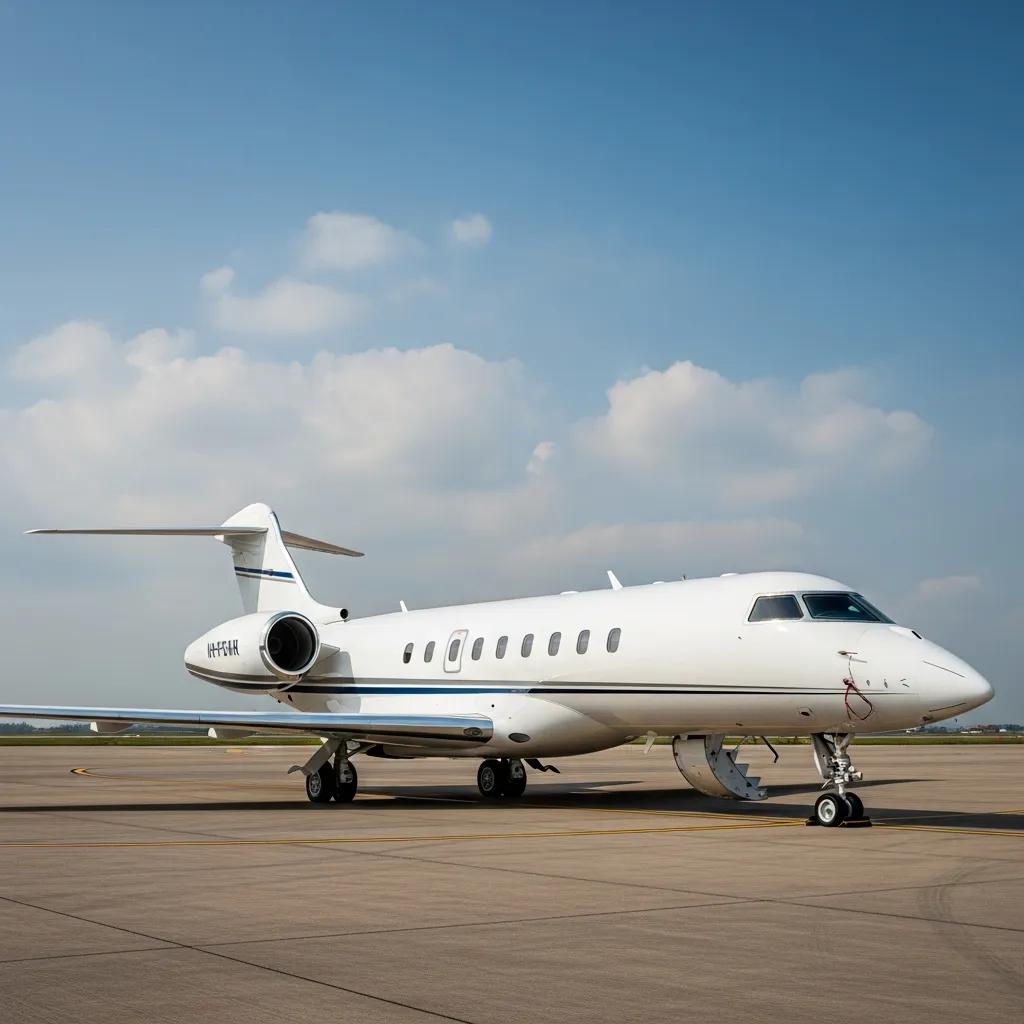
Why choose private jets over scheduled airlines? Key benefits and practical advantages
Scheduled air travel brings predictable friction: long security lines, fixed departure times and time lost in connections that chip away at productivity and comfort. Private jet charter is an on-demand service designed to remove those constraints — offering direct routing, private terminals and tailored in‑flight and ground services. The result is measurable time savings, stronger privacy and far greater scheduling flexibility. This article explains how private aviation — from light jets to helicopters and air taxis — can suit executives, families and time‑critical cargo by quantifying time, cost and productivity gains and showing practical use cases. You’ll learn how private travel shortens door‑to‑door time, how privacy and luxury convert into tangible benefits, what safety and regulatory safeguards to expect, and when charter can be more economical than commercial first class. Each H2 section includes evidence, value comparisons and concrete scenarios so you can assess private charter and request a tailored quote or quick booking if it fits your needs.
What are the time‑saving benefits of private jet travel versus commercial flights?
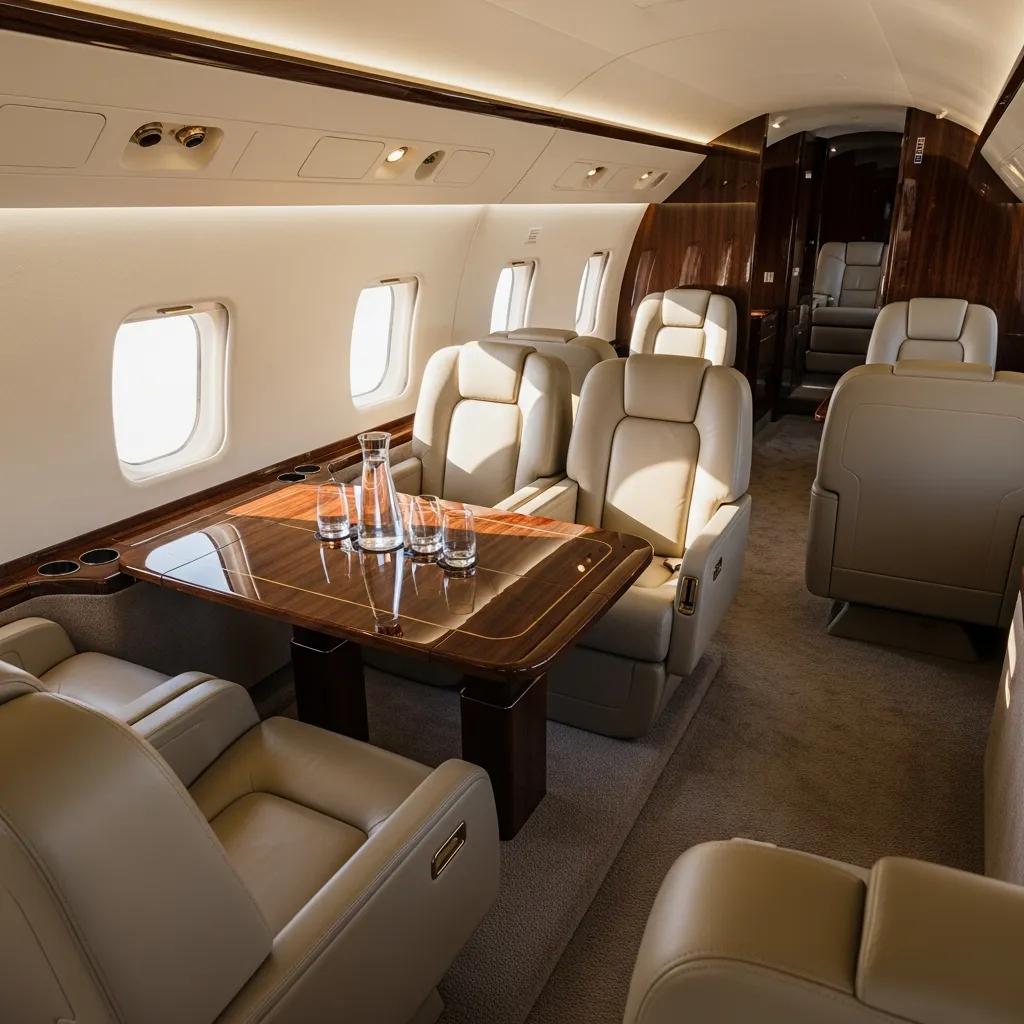
Private jet travel shortens total door‑to‑door journey time by combining access to private terminals, quicker boarding and direct routing — turning hours of waiting into minutes of predictable processing. The mechanism is simple: minimal ground formalities at FBOs (private terminals) plus the ability to fly direct or reposition as required reduces idle time and avoids hub congestion. For business travellers, that can mean more meetings in a day and fewer overnight stays; for families, it means less stress and a quicker arrival. Below we compare common time components to show realistic savings and give examples of how those hours translate into outcomes.
Private jets deliver time savings through a few clear operational advantages:
- Faster check‑in and private security at FBOs — usually minutes rather than an hour.
- Direct routings with no hub layovers, eliminating connection wait times that often add hours.
- Speedy boarding and immediate baggage access on arrival, cutting transfer and taxi time.
Those gains support last‑minute meetings and same‑day round trips; practical examples follow below.
Quick comparison of typical time components for private versus commercial travel:
This table shows how private travel compresses multiple waiting stages into shorter, predictable blocks that benefit both productivity and wellbeing. Understanding these components makes it clear when charter outperforms scheduled airline services.
How does private jet charter reduce airport waiting and travel time?
Charter reduces waiting and travel time by using FBOs, prioritised ground handling and streamlined security — all of which compress pre‑ and post‑flight processing. At an FBO passengers typically arrive shortly before departure, complete a brief check and board directly, avoiding terminal queues and security bottlenecks. Coordinated ground handling speeds baggage transfer and vehicle pick‑up, making door‑to‑door transfers significantly faster than commercial options. Those faster ground processes also enable direct routings that remove connection wait times and deliver predictable schedules for tight itineraries.
What real‑world examples show private jets improve travel efficiency?
Concrete scenarios highlight measurable gains: a senior executive attending three boardroom meetings in different cities on one day can save 6–8 hours compared with scheduled flights, turning an overnight trip into a same‑day mission and preserving billable time. For urgent logistics, air cargo charter can deliver critical parts within hours where commercial cargo would face handling delays. Families travelling with pets avoid kennel transfers and long terminal waits, cutting stress and turnaround time by several hours. Each example converts saved hours into real outcomes: more deals closed, time‑critical deliveries made, or a calmer journey for passengers and animals.
Charter‑A Ltd offers 24/7 dispatch and streamlined operations to reduce repositioning lead times and speed departures. Their rapid mobilisation focuses on fleet availability and operational readiness to meet tight schedules. To arrange private jet, helicopter or air cargo charters, contact Charter‑A Ltd for a tailored quote or immediate availability.
How do private jets deliver greater privacy and luxury than airlines?
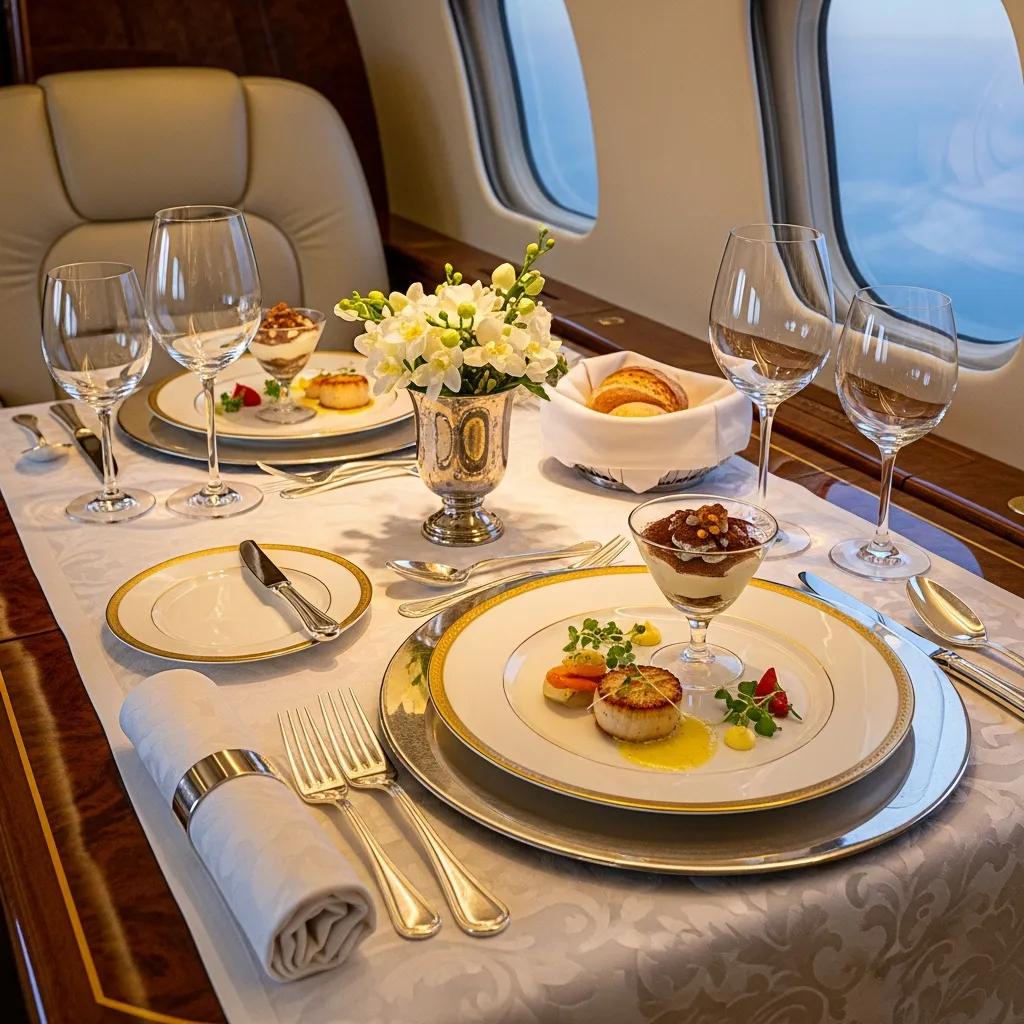
Private jets combine controlled guest lists, closed cabins and personalised service to protect confidentiality and elevate comfort. The practical mechanism is exclusive cabin and ground access: private terminals and dedicated transport reduce public exposure, while crew and ground teams provide discreet handling and custom service. For high‑profile travellers this reduces media attention; for any passenger it enables bespoke catering, seating and work setups that match or exceed first‑class experiences. Below are the primary privacy and luxury features you can expect.
- Private cabins and controlled guest lists: The aircraft is reserved for your party, preserving confidentiality and company.
- Private terminal access: Arrivals and departures through FBOs keep you out of busy public areas and crowded security lanes.
- Bespoke catering and in‑flight layouts: Menus, seating and workspace are tailored to your requirements.
- Discreet ground handling and secure transfers: Coordinated transport keeps movements low‑profile.
- Dedicated crew and personalised service: Type‑rated crew focus exclusively on your itinerary and preferences.
These features create an environment designed for privacy, comfort and productivity — fewer interruptions, a better chance to work or rest, and stronger control over who has access to your journey. Next, we look at the operational privacy protocols that support these benefits.
What privacy features make private jet travel discreet?
Privacy on private flights comes from private terminal use, bespoke handling and optional confidentiality measures that control exposure and information flow. FBOs form a secure buffer between passengers and the public, allowing low‑profile arrivals and departures, while bespoke ground handling manages secure vehicle transfers and luggage control. Many operators offer NDAs for crew and handling teams and can arrange vetted ground staff or private security on request, further protecting high‑profile movements. These measures limit media and public attention and keep sensitive discussions private.
Which luxury amenities enhance comfort on private jet flights?
Luxury amenities on private jets support rest and productivity: spacious cabins, onboard Wi‑Fi, dedicated workspaces, premium catering and flexible seating often surpass commercial first‑class ergonomics. Onboard connectivity and power outlets enable uninterrupted calls and work; customised menus and dietary options support wellbeing during travel. Larger cabins and adaptable seating let you hold meetings or group together comfortably, and quieter cabins improve rest and reduce travel fatigue. Those amenities turn travel time into productive or restorative time, underscoring the value of charter for discerning travellers.
Why are flexibility and customisation major advantages of private jet travel?
Flexibility and customisation let passengers control departure times, routing and onboard services to match precise schedules and preferences. The operational mechanism is on‑demand positioning and bespoke logistics: operators can reposition aircraft, amend flight plans and coordinate ground services in response to changing needs, enabling short‑notice departures and rapid itinerary changes. This is particularly valuable for business travellers with shifting meetings, event organisers needing tailored transfers and leisure travellers who require specific arrival times. Below we outline how bookings are customised and the benefits of using smaller airports.
- Depart at a mutually agreed time rather than accept a fixed schedule.
- Adjust routes to fly closer to final destinations via regional airports.
- Request tailored in‑flight services and ground arrangements matched to your agenda.
These operational flexibilities make private charter the right choice when timing, proximity and bespoke service matter more than ticket price alone.
How can you personalise your itinerary and flight schedule with private jets?
Personalising an itinerary usually starts with a concise brief — preferred departure window, passenger count and special requirements — followed by aircraft selection and coordination of repositioning and ground services by the operator’s operations team. After a tailored quote and availability confirmation, the operator arranges repositioning if needed and coordinates ground transport, catering and any permits or handling. Response times vary by operator, but round‑the‑clock availability increases the chance of securing short‑notice departures.
What are the benefits of using smaller airports and making last‑minute changes?
Smaller regional airports shorten transfer distances to many city centres and event locations, reducing overall journey time and simplifying ground logistics. They typically have lower congestion, simpler parking and easier vehicle access, allowing faster connections and fewer delays than major hubs. For events or time‑sensitive schedules, helicopters and air taxis can link airports directly to venues or provide point‑to‑point transfers from central heliports, offering unrivalled proximity. Smaller fields are often available when major airports are constrained, which keeps itineraries flexible and reliable.
How does private jet travel ensure enhanced safety and security compared to airlines?
Private jet operators uphold rigorous safety protocols, including type‑rated pilots, scheduled maintenance programmes and bespoke security screening options that together reduce exposure and maintain high operational standards. The mechanism is operator control: charter firms manage crew training, maintenance cycles and third‑party audits, while private terminals reduce passenger interaction with large crowds. Regulatory oversight and standard audit frameworks continue to reinforce safety across the industry. The table below summarises common safety measures and their practical value to passengers.
Introductory table showing safety and security measures and practical passenger value:
The table maps specific protocols to passenger outcomes: assured competence, predictable equipment reliability and reduced public exposure. These measures, together with regulatory oversight, support a robust safety posture for private operations.
What safety protocols and crew qualifications are standard in private jet charters?
Standard protocols include maintenance per manufacturer schedules, recurrent crew training and health checks, and compliance with national aviation regulations such as those set by the Civil Aviation Authority or equivalent. Type‑rated pilots complete recurrent checks and scenario training specific to their aircraft class, and operators maintain detailed maintenance logs and scheduled inspections to ensure airworthiness. Many operators also use third‑party audits and safety management systems to identify and mitigate operational risk. Together these layers of oversight protect passengers and ensure reliable operations.
Is private jet travel safer than commercial flights?
Private jet travel offers safety advantages such as reduced exposure to crowds and the option for bespoke security, but both private and commercial sectors operate under strict regulatory oversight and high safety standards. The controlled environment of private terminals and smaller passenger groups lowers exposure to contagious illness and limits uncontrolled interactions, while operator‑led controls over crew and maintenance can target charter‑specific risks. Absolute safety comparisons depend on operator quality, maintenance rigour and regulatory compliance — choosing a reputable, audited operator is the key to realising any safety benefits.
Is private jet travel cost‑effective compared to commercial first class?
Private jet travel can be cost‑effective versus commercial first class in specific situations — notably when value is measured in time saved, productivity preserved and shared group costs. The assessment converts hours saved into monetary value (executive billable hours, avoided hotel nights, reduced ground transfers) and compares that to charter pricing, which varies by aircraft class, positioning and market demand. The table below offers an economic comparison to help evaluate typical cost and value attributes, followed by worked examples to show when charter makes sense.
Introductory comparison table to evaluate cost‑per‑passenger and value factors:
This framework shows cost‑effectiveness depends on more than headline hourly rates — it hinges on how saved time and bespoke services convert into business outcomes or passenger wellbeing. The next section offers concrete calculations for turning time saved into ROI.
How does private jet value account for time, productivity and group savings?
To estimate value, multiply hours saved by the traveller’s hourly business rate to calculate productivity gains and compare that to charter cost per passenger; for groups, divide the trip cost across passengers to assess per‑person economics. For example, an executive generating £1,000/hour who saves four billable hours gains £4,000 in productive value — which can offset a large portion of charter costs. Group travel reduces per‑person expense when multiple passengers share the aircraft, while avoided hotel nights and shorter ground transfers add further savings. These calculations make the “value beyond fare” explicit and help decide when private charter is a practical investment.
The Economics of Private Business Jet Travel: New Ownership Models Expand Choices
The use of private air travel for business trips has grown substantially over recent decades. Estimates suggest U.S. domestic passenger trips on business aircraft exceeded 17 million in 2007 — roughly 40% of combined domestic first‑class, business‑class and full‑fare coach trips for which passengers pay a premium for timeliness, comfort or privacy. Once a company determines private travel offers benefits, it typically evaluates the most cost‑effective option, considering aircraft operating characteristics and ownership or non‑ownership models. This paper examines factors that influence those decisions and highlights how new models have expanded access to private business aviation.
The Economics of Private Business Jet Travel: New Ownership Models Expand Available Choices, 2008
Charter‑A Ltd provides transparent pricing and bespoke services that clearly list inclusions such as handling, catering and repositioning charges, making it easier to compare total trip cost against value. When comparing options, request a tailored quote that itemises inclusions and positioning fees to enable a like‑for‑like comparison.
How does private jet travel support business productivity and specialised use cases?
Private aviation supports business productivity and specialised missions by enabling multi‑city itineraries in a single day, facilitating urgent cargo deliveries and delivering tailored solutions for events and pet transport. The mechanism is orchestration: operators coordinate aircraft, crew and ground services to meet time‑critical demands, while helicopters and air taxis provide short hops or venue access where jets are impractical. Typical use cases include same‑day multi‑meeting schedules, urgent high‑value cargo lifts, VIP event transfers and pet‑friendly family travel. The examples below explain planning and operational considerations that make private aviation well suited to these needs.
- Multi‑city executive day trips that scheduled services cannot accommodate.
- Urgent air cargo charters for time‑sensitive parts or documents.
- Helicopter or air taxi transfers to venues and urban centres for events.
- Pet‑friendly flights that avoid kennel transfers and reduce animal stress.
These applications show private aviation as a toolkit for time‑critical and bespoke travel needs. The following H3 sections illustrate planning for multi‑stop business trips and pet/event transfer logistics.
How can private jets facilitate multi‑city business trips and urgent meetings?
Private jets let a CEO or deal team attend multiple meetings in different cities on the same day by tailoring departure times, optimising routing and coordinating ground transport to minimise transfer time. A typical same‑day itinerary might begin with an early regional departure, a mid‑morning meeting, a quick reposition and an afternoon meeting in another city, returning late evening if required; each leg is planned to allow productive time on the ground and in the air. Operations teams synchronise crew duty times, catering and meeting materials for rapid turnarounds. This orchestration converts travel time into usable work time and reduces the need for overnight stays, improving efficiency.
What are the advantages of pet‑friendly and event transfer flights?
Pet‑friendly private flights reduce stress for animals and owners by minimising transfers, allowing pets to travel in‑cabin or with bespoke handling and offering a calmer environment than crowded terminals. Event transfers — often using helicopters and air taxis — bring guests directly to or near venues, cutting long ground transfers and ensuring punctual arrivals for VIP itineraries. For events, operators coordinate parking, security and dedicated ground teams to streamline arrival and departure flows; pet travel planning includes documentation and crate guidance to meet regulatory requirements. These specialised services prioritise comfort and timing for high‑value personal or corporate events.
Operators like Charter‑A Ltd can configure these solutions across private jets, helicopters and air taxis and use 24/7 availability to respond to urgent requests. To arrange multi‑stop itineraries, urgent cargo uplift or pet‑friendly transfers for events, contact an operator with round‑the‑clock dispatch capability for the fastest response.
If you are ready to assess options, request a quote or check immediate availability, provide your itinerary, passenger count and any special requirements to receive a tailored proposal from Charter‑A Ltd.
Frequently Asked Questions
What types of private jets are available for charter?
Charter aircraft range from light jets to midsize and heavy jets, each suited to different passenger counts and trip lengths. Light jets are ideal for short regional hops and commonly seat up to six passengers; midsize jets carry seven to nine passengers over longer sectors; heavy jets are designed for long‑range and international travel with more space and premium amenities. Specialty platforms such as turboprops and helicopters are available for short hops and access to remote or confined airfields.
How do I choose the right private jet for my trip?
Selecting the right aircraft depends on passenger numbers, luggage, distance and required comfort or amenities. Start with group size and baggage, then match the range to your route to decide between light, midsize or heavy jets. Consider required onboard features — wifi, cabin layout, catering — and consult a charter broker or operator to recommend the most efficient and cost‑effective option for your itinerary.
What are the environmental impacts of private jet travel?
Private jets typically have a higher carbon footprint per passenger than commercial flights because of lower passenger loads and higher fuel burn per mile. Many operators are mitigating this through more efficient aircraft, exploring sustainable aviation fuels and offering carbon offset programmes. Passengers can also reduce impact by sharing flights, selecting smaller aircraft when suitable, or asking operators about the most fuel‑efficient routing and sustainability options available.
Can I bring pets on private jet flights?
Yes — many private jet charters are pet‑friendly and allow animals in‑cabin or under bespoke handling, which avoids cargo travel and reduces stress. Operators provide tailored services for pet travel, including guidance on documentation and crates. Always inform the charter company in advance about your pet’s needs and any regulatory requirements to ensure a smooth journey.
What should I expect during the booking process for a private jet?
Booking typically starts with a consultation to confirm departure times, destinations and passenger numbers. After you provide trip details, the operator presents available aircraft and pricing. Once you select an option and confirm, the operator issues a tailored quote and handles logistics — ground transport, catering and permits — so the experience is seamless from briefing to departure.
Are there any hidden fees associated with private jet charters?
Charter pricing is generally more transparent than commercial fares, but extra charges can apply. Common additional fees include fuel surcharges, landing and handling fees, and repositioning costs. Catering and ground transport may also add costs depending on preferences. To avoid surprises, request a detailed quote that itemises all potential fees before you confirm the booking.
How does private jet travel compare to commercial airlines in terms of safety?
Private jet travel can offer enhanced safety features such as reduced exposure to crowds and operator‑driven safety controls. Operators typically follow strict maintenance schedules and ensure crews are type‑rated and recurrently trained. Private terminals reduce contact with large passenger volumes. That said, both private and commercial aviation operate under rigorous regulatory frameworks, so aircraft safety depends on the operator’s standards and external audits.
Conclusion
Private jet travel delivers measurable time savings, stronger privacy and tailored luxury that scheduled airlines cannot match. By understanding the operational advantages, safety protocols and true cost‑value trade‑offs, you can decide when charter is the right solution for your needs. If you’re ready to explore private aviation, request a tailored quote and let Charter‑A Ltd help you plan a seamless, efficient journey.
